What is Rapéh (Hapey)?

Have you ever heard of rapéh? This traditional medicine, used by indigenous tribes in the Amazon, comes as a powder made from a blend of various trees and plants. Often mixed with tobacco for its cleansing and healing properties, rapéh, also known as hapey, rapeh, rapé, or hapé, holds a strong place in Amazonian culture. Join us as we explore what it is and uncover its many benefits. Key takeaways Rapéh, also known as Hapey, is a traditional medicine used by indigenous tribes in the Amazon. It is a powder made from various trees and plants, applied through the nostrils using a special pipe. Like many of these plant medicines, it gets worse before it gets better. Immediate effects of the rapéh may be uncomfortable but in the longer term you can feel many benefits – mental, spiritual and physical. Rapéh is often used before an Ayahuasca ceremony as it can help participants calm their nerves and ground themselves. It also brings a level of clarity around their intention, setting a focused mindset. Table of Contents “Rapéh is incredibly beneficial for breaking free from thought loops, offering mental clarity and a sense of being grounded.” How is Rapéh applied? Rapéh is typically blown into the nostrils using a special pipe, facilitating deep cleansing and centering experiences. It can either be administered by another person or self-applied using an auto applicator. It is important to first take a moment to set an intention with the rapéh. Focus on what you want to achieve, whether it’s mental clarity, emotional healing, grounding, or connecting with your inner self. This can greatly enhance the effectiveness of the medicine. Before the Rapéh is applied, it’s important to hold your breath. Some traditions suggest exhaling first and then holding your breath, while others recommend inhaling and then holding your breath. Once applied, you will feel an uncomfortable sensation in the nostril and forehead area. This sensation often travels from your forehead to your head, followed by a sensation throughout your body. The intensity of these sensations depends on the quantity of Rapéh used and the strength of the blow during application. Rapéh can cause various physical reactions such as shivering, hot or cold sensations, sweating, and in some cases, nausea and vomiting. It can also create a sense of light-headedness or dizziness. After the Rapéh is applied, it’s crucial to breathe only through your mouth and avoid breathing through your nose. After about five minutes, you can blow and clean your nose. There will likely be a significant amount of discharge, which is considered a way of expelling negative energies and impurities from your body and spirit. Must read blog: What to expect in your Ayahuasca ceremony https://youtu.be/8TlGs8I2zGY?si=PYGY44t8Ejor9NYk Spiritual benefits of Rapéh Breaking Free from Repetitive Thoughts Have you ever felt trapped in endless loops of repetitive thinking? Rapéh is incredibly beneficial for breaking free from these thought loops, offering mental clarity and a sense of being grounded. Enhancing Your Meditation When you incorporate Rapéh into your meditation practice, you connect with the energy and spirit of that particular blend of plants. This connection can silence compulsive thoughts and help you tune in to your inner self, allowing messages of clarity and peace to come through. These messages manifest in various ways. For example, you might experience physical sensations such as back pain. It’s not that the Rapéh is causing the pain, but rather that it’s helping you connect with your body and become aware of pain or issues that you might have been ignoring. Overcoming Emotional and Spiritual Blockages Rapéh is also effective in breaking through emotional and spiritual blockages. Sometimes, there are things we struggle to push through or let go of on our own. The plant medicine in Rapéh can assist in this process, helping us release and move past these obstacles. Processing the Past Rapéh can bring up memories from the past, prompting emotional release and processing. This can be a powerful tool for healing, as it helps you confront and integrate past experiences, leading to emotional balance and well-being. Physical conditions that Rapéh can alleviate Relieving Headaches Rapéh can work wonders for headaches. While it might initially intensify the pain, this is part of its healing process. By pushing through the discomfort, rapéh ultimately brings relief and clarity. Clearing Nasal Congestion If you struggle with nasal congestion, runny nose, and sneezing, Rapéh’s cleansing properties can help with this. It clears the nasal passages, alleviating symptoms and making breathing much easier. Boosting Energy Rapéh provides an energy lift by removing stagnant energy and making you feel more awake and alert. Its effects can boost both the mind and body, helping you feel more energized and focused. “Specific types of Rapéh, like Parika, can be particularly helpful if someone is struggling to connect with Ayahuasca.” How Does Rapéh Relate to Ayahuasca? Rapéh is a related medicine to Ayahuasca, often used in conjunction with Ayahuasca ceremonies. While not every Ayahuasca shaman incorporates Rapéh into their practice, it is commonly seen in many ceremonies. Rapéh before a ceremony Rapéh is frequently used before the ceremony to help participants calm their nerves and ground themselves. This grounding effect helps prepare individuals energetically for the Ayahuasca experience. Applying Rapéh before the ceremony can also bring a level of clarity around the participant’s intention, setting a focused mindset for the journey ahead. Must read blog: Ayahuasca Intention In some instances, participants may vomit after using Rapéh, which is considered beneficial. This purging process indicates that Rapéh is already beginning to cleanse the body and energetically prepare the individual before they even consume Ayahuasca. Rapéh during a ceremony During the ceremony, Rapéh can be used to address specific needs. It can help break through blockages, assisting participants who may feel stuck or unable to connect deeply with the Ayahuasca. Specific types of Rapéh, like Parika, are known for their heart-opening properties, which can be particularly helpful if someone is struggling to connect with the medicine. Additionally, Rapéh can aid
My experience as an Ayahuasca retreat volunteer
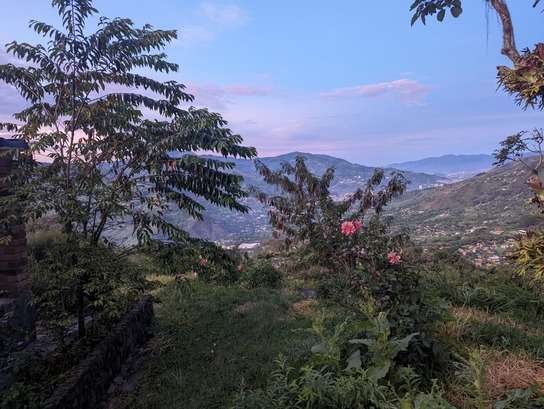
I never pictured I’d be volunteering at an Ayahuasca retreat centre in Colombia, but this is what I’ve been up to for the past couple of months, and I’m actually really loving it. Quite a radical new trajectory from being a software engineer in Old Street, London. You might be wondering – how did this come about, and what is it like? Table of Contents I initially came to Colombia to work remotely from Medellin for 2.5 months whilst working as a software engineer for a company in London (in a job and company that I loved). During a two week holiday in February, I attended an Ayahuasca retreat in the surrounding mountains 1 hour from the city. I want to explain a bit about my motivations for going in the first place – I think the general preconception of Ayahuasca in the West can be quite negative/fear-mongering (think I’ll do a separate post to expand on this). Understanding Ayahuasca – A medicine from the Amazon Ayahuasca is an indigenous plant medicine grown and cooked in the Amazon jungle that has been used for thousands of years by the communities there. It’s considered a medicine for the spirit, and only recently in the last 20 years has started to come to the cities. It expands your state of consciousness and allows you to look within yourself, revealing many truths about life, your purpose, past traumas that still affect you today etc, and puts you on a path of healing allowing you to grow past things that are keeping you stuck. Let me be clear – a person doesn’t drink Ayahuasca for psychedelic effects but instead because they really want to search within for certain understandings. It’s intentional rather than recreational. Must read blog: What is Ayahuasca? My personal experience at the Guacamayo Retreat Centre I decided on the Guacamayo retreat centre just outside Medellín because it aligned with my work and travel plans. While doing research I saw that this place had hundreds of excellent reviews, with many people highlighting how safe, comfortable, and guided their experiences were here – important factors for me given the stories I’d heard about less responsible retreats. My experience was so beautiful; I came with longstanding questions about my anxiety and depression which I’ve had since being a teenager, and the insights, acceptance and healing I gained during and after the retreat were life-changing. For example, one consequence was choosing to stop taking antidepressants in order to learn how to regulate my own emotions – and I’m now getting closer to a place where I am doing this – which is kind of major for me. Must read blog: Ayahuasca Intention https://www.youtube.com/watch?v=hehpvRxaPcY&ab_channel=AyahuascaRetreatGuacamayo Receiving some bad news… During my retreat, whilst I was having profound personal discoveries, I received the unexpected news that I was going to lose my job back home and was going to take redundancy. After I found out I spoke with Oliver, the organiser of the retreat. I shared how thanks to my recent experiences in the ceremonies, I felt surprisingly fine about the situation. Under different circumstances I’m sure I’d have been incredibly stressed, but I was calm, and mostly viewed it as an exciting opportunity to extend my stay in Colombia (and potentially volunteer in hostels). A few days after leaving the retreat, Oliver and I continued our conversation, and he offered me the opportunity to be a volunteer at the retreat centre for a couple of months. I was so happy to accept, for so many reasons! Accepting the offer to be an Ayahuasca retreat volunteer Firstly I already had a connection with the place and knew it was a good energy match with Oliver having spent a week here as a participant. I was inspired by the work I observed the team do during my retreat, in the ceremonies in particular, as well as by the positive changes I saw in others and myself. This made me to want to help wherever it was needed in this work, with this particular community. I was excited by the prospect of meeting a variety of participants and to develop relationships with the team who I already thought were really cool and did amazing jobs. It was a great opportunity to focus on my own inner work, which is a priority for me at this time. Finally an additional perk was that I’d have the chance to develop my Spanish skills. Life as an Ayahuasca Retreat Volunteer “Through this work I’ve connected deeply with the nature of Colombia, and even developed what feels like individual connections with each plant, strange as that may sound.” Initially, my role evolved from “enjoying myself” to doing a lot of manual labour i.e. cleaning, cooking and gardening, which kept me physically active and gave me an understanding of the daily rhythms of the finca. Since then it has evolved further – outside of retreats this looks like a mix of gardening and online tasks, such as researching, writing and uploading blogs to our website. I enjoy these both and fortunately do much less cleaning now. Gardening The garden is a significant part of my life here, and deserves its own section. The site (finca) we live on is incredibly large with a diverse array of plants, including lime trees, banana trees, a mandarin tree, aloe vera, day lilies, dahlias, bird-of-paradise flowers, as well as various medicinal plants, herbs, and vegetables. Now it is the wet season and the rain takes care of watering the plants. But during the drier times, they required watering twice a day, a task that can take up to 2-3 hours each session simply because of the size of the finca. Realistically, I didn’t manage to water them all each day (sorry Oliver) and unfortunately, some would suffer. But I do want to say – watering for hours at a time brought me to such a state of zen; I would become completely immersed and present in the task,
What can you eat on Ayahuasca Diet?
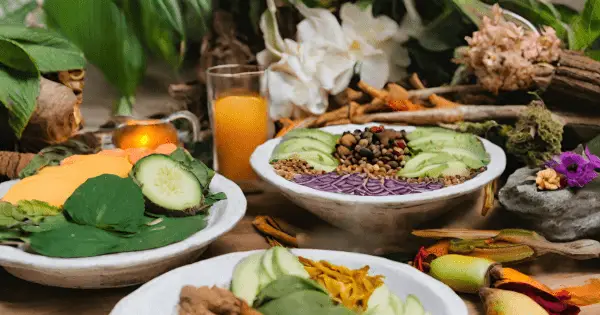
Understand the plant-based diet for spiritual receptivity and ancient wisdom. Embark on a transformative Ayahuasca journey, connecting mind, body, and spirit.
Ayahuasca didn’t work? No effects? What it means!
It can be disheartening to sit in an Ayahuasca ceremony, drink the medicine, and feel… nothing. While others around you may be deep in their process—purging, crying, receiving visions—you’re left wondering what went wrong. If this has happened to you, know that you’re not alone, and more importantly, it doesn’t mean Ayahuasca didn’t work. These type of experiences in a way can be the most challenging one’s, confronting us with our judgement, lack of patience, trust and making us questions if something is wrong with us… beginning of a deeper journey, one that’s asking for patience, preparation, and trust. So what does it mean, how can you avoid it the next time and how can you still benefit from it? Key takeaways Approaching Ayahuasca with high expectations may hinder the experience. Letting go of rigid expectations allows for a more profound connection. Acknowledging individual differences in metabolism and ensuring proper dietary preparation are essential steps to enhance the Ayahuasca experience. Not feeling Ayahuasca right away is a normal part of the process—it doesn’t always go from zero to profound overnight. Often, the medicine begins by helping you face and feel the very blockages that have kept you disconnected, and that alone is meaningful progress. Table of Contents From my personal experience This happened to me in my very first ceremony. After three cups, I still wasn’t feeling anything—aside from the growing frustration that nothing seemed to be happening. Eventually, I decided to go for a fourth cup, and that’s when something opened. Suddenly, I was flooded with a deep sense of connection and unconditional love flowing through me. Looking back, it wasn’t that the first three cups weren’t working. The medicine was gently peeling back the layers—layers I had built up over time, subconsciously afraid to truly feel. Each cup was slowly softening the walls I didn’t even know I had. The indigenous always speak about patience, and it’s one of the hardest things to truly embody in this work. But there’s always a reason, and I encourage you to trust your process—especially when it seems like nothing is happening. https://youtu.be/9VxuhIofwwc?si=P7rpSCpqUnX9EvHT Your expectations and the Ayahuasca Effects Expectations can quietly get in the way of your connection with Ayahuasca. It’s normal to hope for a certain kind of experience, but when you hold on too tightly to how it should look or feel, you may actually block the very thing you’re seeking. Ayahuasca is more like a relationship you build than a substance you control. If you only value someone when they behave exactly how you want, the relationship suffers. The same is true with this medicine—it asks for trust, not control. The real opening often happens when you let go. When you drop the need to force an outcome and allow the experience to unfold in its own time, Ayahuasca has a way of meeting you where you are—and often in ways you didn’t expect. Why some people don’t feel the effects Psychological Resistance: Your mindset plays a significant role in how Ayahuasca affects you. If you’re holding onto fear, skepticism, or a need for control, these mental barriers can inhibit the medicine’s ability to connect with you. Being overly analytical or resistant to emotional vulnerability can also create obstacles. Psychological resistance can also show up as: Subsonsiscous resistance to meet yourself. Having a deep level of trauma. It’s part of the process It’s part of the process When someone doesn’t feel the effects of Ayahuasca, it’s easy to slip into doubt—questioning the experience, feeling let down, or assuming it simply didn’t work. Many begin to lose faith, thinking they’ve wasted their time or money. But after guiding hundreds of people each year, we see this more often than most would expect. And in the vast majority of cases, it’s not a failure—it’s just part of their unique process. It’s the beginning of opening. Of slowly peeling back the layers that have been built over time. Sometimes Ayahuasca brings us face to face with parts of ourselves we’d rather not see—the skeptic, the inner critic, the constant overthinker. And just by observing these mental patterns, we begin the process of releasing them. Energetic clearing doesn’t always come with visions—it often begins with simply seeing ourselves more clearly. Pay Attention to the Days After It can be that people have a non – experience in the ceremony. But the next day(s) they feel a level of peace they haven’t felt in a long time. In these caes, people often say, the Ayahuasca didn’t work, what they fail to make is the connection. Ayahuasca is not just an experience. Not just the effects that you feel in the ceremony, but even more the messages, that are coming in the coming days. The things that trigger you, the things that move you, the feelings you are going through. Individual Differences in Metabolism Each person’s body processes substances differently. Factors like genetics, liver enzyme activity, and gut health can influence how Ayahuasca is metabolized, potentially leading to a muted experience. Not doing the diet correctly, especially consuming cannabis Traditional Ayahuasca practices emphasize on preparation—both physically and mentally. Following dietary guidelines and avoiding substances like alcohol, certain medications, and especially cannabis is essential. Cannabis, in particular, can dull emotional sensitivity and create a layer of numbness that makes it harder for the medicine to fully reach you. A clean body and a clear mind help you become more receptive to the subtle and deep work Ayahuasca is here to do. Drinking Ayahuasca for recreational purposes Ayahuasca works on a deep, intelligent level—it meets you exactly where you are. If you’re approaching the ceremony from a place of “having an experience” without a profound intention, or you’re subconsciously not ready to face what’s within, the medicine often won’t take you very far. It’s not about being punished or denied an experience—it’s that Ayahuasca seems to wait until you’re truly ready to go deeper. This isn’t a recreational substance; it’s a profound process
Ayahuasca vs magic Mushrooms – healing through laughter or through crying?
This blog explores the nuances and commonalities of these two powerful ancestral medicines, Ayahuasca vs mushrooms, guiding you to better understand which might resonate more with your current stage of personal and spiritual development. Introduction: Ayahuasca, a traditional Amazonian plant medicine, or magic mushrooms, have their own rich history of use in various cultures. Both offer pathways to profound insights and transformations. Through this exploration, we’ll compare their effects, the context of their use, and the experiences they facilitate, providing you with a clearer picture of what each might bring to your journey of self-discovery and healing. Key takeaways: Both magic mushrooms and Ayahuasca can create breakthrough experiences, understandings about our lives and be a profound catalyst for change in a person. It is important to do these medicines in a “set and setting” where one feels safe and is well taken care of. Ayahuasca is always conducted in a ceremonial context with experienced shamans / Taitas / facilitators which is a great benefit The purging is a tremendously powerful element of an Ayahuasca ceremony, which allows us to energetically let go of things that no longer serve us. In some ways mushrooms can be used in a more open, experimental way. Table of Contents Disclaimer: Please note that Ayahuasca and magic mushroom ceremonies vary widely across different cultures and traditions. The information presented here is a broad perspective, but individual experiences can differ significantly based on the specific practices of the ceremony leaders and the setting. Furthermore, while we offer a general outline of how Ayahuasca and mushroom ceremonies are typically conducted, remember that your personal experience can vary greatly. There’s no definitive guide that can fully prepare you for the unique, subjective journey you will experience with either Ayahuasca or magic mushrooms. Therefore, it is crucial to communicate with your ceremony facilitators, ensuring they can address your questions and concerns. Ultimately, the choice of which path to follow should be a personal decision, made after careful consideration and in alignment with your own spiritual and healing goals. Similarities Exploring the similarities between magic mushrooms and Ayahuasca reveals how both of these powerful substances serve as potent tools for deep introspection and self-discovery. At their core, both facilitate a profound journey into the subconscious, acting as mirrors that reflect the innermost aspects of our psyche. When you engage with either magic mushrooms or Ayahuasca, you go on a journey that can illuminate various aspects of your life. These medicines can offer clarity on what you’re doing well and areas where you might be straying off your desired path. They provide opportunities to understand and correct personal missteps, helping to align your actions more closely with your true intentions and values. One of the most significant aspects of both experiences is the ability to access and feel suppressed emotions. This emotional unearthing can be intense, but it is often necessary for healing and growth. Both magic mushrooms and Ayahuasca can act as catalysts for confronting and processing unresolved issues and traumas that continue to influence your present life. Additionally, these psychedelics can provide a stark reality check, offering a clear-eyed view of your life as it is, unclouded by the habitual narratives we tell ourselves. This unvarnished truth can be challenging, but it is often a crucial step towards making meaningful changes. Both magic mushrooms and Ayahuasca also have the potential to impart visions or insights about the future, helping to shape a vision for the life you aspire to live. This forward-looking aspect can be incredibly empowering, providing direction and motivation for personal and spiritual development. Origins of Ayahuasca and Magic Mushrooms: The origins of Ayahuasca and magic mushrooms are as rich and diverse as the experiences they offer. Understanding where these medicines come from adds depth to our appreciation of their roles in various cultures and traditions. Ayahuasca, with its roots deeply linked to the Amazon rainforest, has been a cornerstone of spiritual and healing practices among indigenous tribes for centuries. It is revered for its profound healing properties. It plays a significant role in the cultural fabric of Amazonian tribes, being used in rituals and ceremonies for spiritual guidance, community bonding, and medicinal purposes. Magic mushrooms, on the other hand, boast a more global heritage. These fungi have been used in spiritual and healing contexts across many different cultures and regions. Perhaps the most well-known traditional use of magic mushrooms is in Mexico, particularly among indigenous groups like the Mazatec, Mixtec, Nahuatl, and Zapotec. These regions have a long history of using psilocybin mushrooms (the psychoactive compound found in magic mushrooms) in their religious rituals, healing practices, and ceremonies. The use of these mushrooms in such contexts is often guided by shamanic figures, who help navigate the spiritual journey and ensure the safety and wellbeing of participants. Both share a common thread of being deeply respected and carefully used within their respective cultural contexts, highlighting their importance as tools for spiritual exploration and healing. Must read Blog: Ayahuasca origin – how the indigenous discovered Ayahuasca Differences between Ayahuasca vs magic mushrooms One key difference between Ayahuasca and magic mushrooms lies in their accessibility and the contexts in which they are typically used. Accessibility: Magic mushrooms have the advantage of being relatively easy to cultivate at home, making them more accessible to a broader audience. This accessibility means that, with some effort and knowledge, individuals can grow their own mushrooms for personal use. It’s important to note, however, that the cultivation and possession of magic mushrooms are subject to varying legal restrictions across different regions. While we don’t encourage any illegal activity, the fact remains that obtaining mushrooms can be more straightforward compared to Ayahuasca. Ayahuasca, in contrast, is much harder to come by, especially in Western countries. Its preparation involves specific plants from the Amazon rainforest and a process that requires traditional knowledge and experience. This complexity, coupled with legal restrictions in many parts of the world, makes Ayahuasca less accessible than
Ayahuasca vs San Pedro / Huachuma – Different approaches to healing
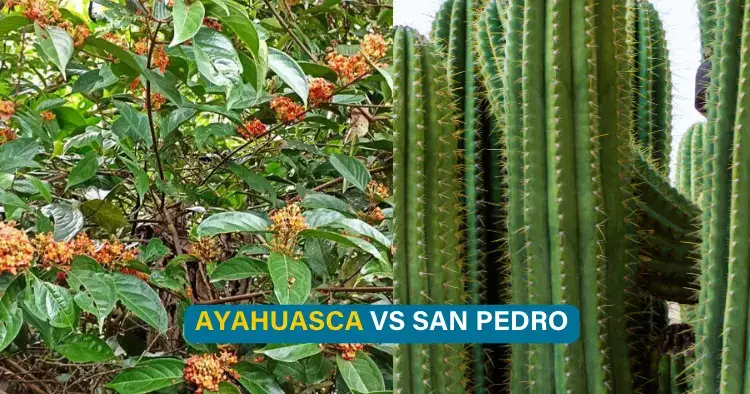
On a journey of spiritual and personal discovery, individuals often explore various plant medicines, each with its own unique properties and teachings. In this blog, we delve into the world of two profound and historically rich plant medicines: Ayahuasca and San Pedro. While both have been used for centuries in traditional ceremonies, they offer different experiences, insights, and benefits. As we dive deeper into these sacred medicines, we’ll compare their cultural backgrounds, the nature of the experiences they offer, and the potential benefits and challenges associated with each. By understanding these aspects, you’ll be better equipped to make an informed choice about which path may be calling to you at this moment in your life’s journey. Whether seeking healing, transformation, or deeper spiritual connection, both Ayahuasca and San Pedro have unique gifts to offer. Let’s explore these ancient medicines and uncover the wisdom each holds. Table of Contents Key takeaways: Ayahuasca is an Introspective journey where you are sitting with the effect of the medicine and having the plant (and Taita) energetically guide you through your journey There is a more communal approach to San Pedro, focused on prayer, where each participants contributes and co-creates the space with their own energy. Both lead you back to your heart, connect you with your intuition, each one has their own unique angle. Disclaimer: While this blog provides a general overview of Ayahuasca and San Pedro ceremonies, it’s crucial to recognize that different traditions and facilitators have their own unique ways of conducting these ceremonies. The information presented here serves as a broad guideline, but the actual experience can vary significantly depending on the specific practices and approaches of the ceremony leaders. It’s also essential to understand that these are the general frameworks within which Ayahuasca and San Pedro ceremonies typically operate. However, the personal, subjective experience of each individual can differ markedly. The truth is, no amount of preparation can fully encapsulate the unique journey you will undergo in your own Ayahuasca or San Pedro ceremony. Each person’s experience is deeply personal and influenced by a multitude of factors, including their mindset, the setting of the ceremony, and their interactions with the plant medicine. Therefore, it’s important to communicate openly with the facilitators of the ceremony. A good facilitator should be willing to answer your questions and provide guidance based on their experience and knowledge. This dialogue can help you gain a clearer understanding of what to expect and assist in determining which plant medicine might be most suitable for you at this point in your journey. Ultimately, the decision on which path to take should be made based on your own feelings, research, and comfort level with the ceremony and its facilitators. Remember, this journey is yours, and choosing the right path is a deeply personal decision that should be made with care and consideration. Much of the information in this article was gathered through a conversation with my friend Scottie Schneider, who shares San Pedro ceremonies. Differences between the two plant teachers: Exploring the differences between Ayahuasca and San Pedro reveals distinct aspects of their spiritual journeys and the types of healing they facilitate. The way of Ayahuasca vs San Pedro Ayahuasca is known for its intense and introspective nature. When you partake in an Ayahuasca ceremony, it’s often said that the medicine shows you what you need to work on and, in most cases, automatically takes you there. It’s a deeply internal process, one that doesn’t easily allow for resistance or denial (the more you resist it, the more intense it usually gets; there is no real point in fighting it; it’s more about being open to the teachings that come to you). The Taitas often describe this as sitting with the medicine,’ a journey where you confront and release what no longer serves you, leading to profound internal revelations and healing. The experience with Ayahuasca is very much about delving into your inner world, uncovering truths, confronting fears, and unearthing deep-seated emotions. This journey, while challenging, often leads to significant breakthroughs, allowing you to find inner peace, understanding, and self-love. Must read Blog: Ayahuasca healing – healing vs. improvement The way of San Pedro San Pedro, in contrast, tends to foster a more external, communal experience. While it also promotes introspection and self-discovery, its energy is often described as more outward-facing. In a San Pedro ceremony, participants are encouraged to connect with those around them, to share stories, sing together, or physically interact. This sense of community and connection is a significant part of the San Pedro experience. It’s not uncommon for something a fellow participant says or does to trigger a realization or emotional response in you, whether it’s a sudden urge to hug them or a moment of understanding sparked by their words. With San Pedro, while you’re still on a personal journey of discovery, there’s a stronger element of conscious decision-making about what issues and processes you choose to engage with. In essence, while both Ayahuasca and San Pedro can guide you towards healing and self-awareness, their approaches differ. Ayahuasca often leads you on an inward journey, compelling you to find answers within yourself and facilitating a deep, personal confrontation with your issues. San Pedro, meanwhile, encourages a more communal exploration where insights and healing can come through interactions with others and the environment, allowing for a conscious engagement with the topics you wish to explore. Both paths offer valuable but distinct experiences, each conducive to personal growth in its own unique way. The significance of prayer in a San Pedro ceremony: Diving deeper into the experience of San Pedro, we find that prayer and community play pivotal roles in the ceremony. Unlike the often solitary journey of Ayahuasca, San Pedro invites participants into a shared space of connection and expression. Within this space, learning the art of prayer becomes a communal experience, as you not only communicate with the great spirit or the essence of the plant but do so openly, in the
How does Ayahuasca affect the brain – By Dr. Zapata
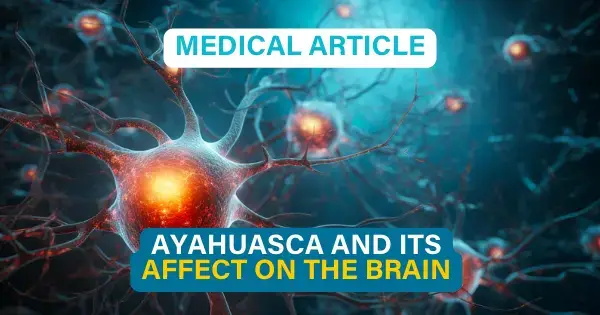
Ayahuasca, an ancestral medicinal brew of the native peoples of the Amazon, has been gaining popularity and use over recent years. Its use in cities, where it was almost impossible to find about 20 years ago, has become increasingly common. This has led to more frequent research on its components and has sparked interest within the scientific community regarding its potential therapeutic uses, considering the numerous reports about its benefits, primarily in the fields of psychiatry and neurology. In the last decade, research on Ayahuasca has been on the rise, especially regarding its main components, DMT (Dimethyltryptamine), and the Beta-Carbolines (Harmine, Tetrahydroharmine, and Harmaline), which has led to a better understanding of the mechanisms of action and its effects at the cerebral level. Key takeaways: The combination of the substances present in the ayahuasca brew allows the modifications in the connections in the brain and produce the experience. The main element present in Ayahuasca is DMT, that is a substance like serotonin and has implications in the regulation of social behavior, appetite, circadian rhythm, sleep, attention, anxiety, emotional state, learning process and memory. Other substances present in the Ayahuasca are B-Carbolines with anti-inflammatory and antioxidant effects in the human body. The neurophysiological effects on the brain caused by ayahuasca show positive effects on mood, cognition and possible therapeutic effects for depressive, addiction disorders and Parkinson’s disease. Table of Contents What are the components of Ayahuasca or Yagé? The main alkaloid substances present in Ayahuasca come from two different plants: the vine Banisteriopsis Caapi, which provides the Beta-Carbolines: Harmine (HAR), Tetrahydroharmine (THH), Harmaline (HML), and the leaves of Psychotria viridis (known as Chacruna), which provide N, N-dimethyltryptamine (DMT). (figure 1). Both components are responsible for producing the psychoactive effects that induce different states of consciousness that aid in the healing of the mind, emotions, and spirit. Let’s talk about each one of them. Must Read Blog: What is Ayahuasca DMT and its importance in Ayahuasca DMT is one of the components present in the brew and has been widely studied because it is a molecule that has a similar structure to serotonin (5-HT). Figure 2 DMT is also classified as an endogenous trace neurotransmitter, which means it is part of the body’s substances that transmit messages between cells and is present in tissues such as lungs and brain but in very low quantities. What is serotonin and why is it important to know about it? Serotonin or 5-hydroxytryptamine (5-HT) is a neurotransmitter (a substance used by neurons to communicate with other neurons and with other cells) that is produced in the central nervous system (brain and spinal cord) and in other organs of the body (intestines, platelets). It has implications in the regulation of social behavior, appetite, circadian rhythm, sleep, attention, anxiety, emotional state, learning process, intestinal movements, memory, modulator of the hemostasis (regulation of blood clotting), control of blood pressure and also it is a growth factor which may help in wound healing. Its concentration is reduced under stress. Therefore, by understanding the functions of serotonin, we can get an idea of the brain effects of the beverage. How does serotonin affect the brain? There are at least 14 different types of serotonin receptors identified in the brain and each receptor subtype has specific functions with different signaling pathways, some receptors can have inhibitory or excitatory effects on neurons. There are some cells called the neurons of the raphe nuclein, which are the main sources of 5-HT in the brain; from there, the neurons form different pathways. (Table 1) Ayahuasca, DMT and serotonin, what about them? Ayahuasca contains DMT among its components, which is a substance that acts on the same parts of the brain as serotonin (5-HT1a, 5-HT2a, 5-HT2c neuronal receptors). We must consider that its other components (Beta-Carbolines) can also act as neurotransmitters, as they can either bind directly to the stimulated brain area (neuronal receptor) or inhibit the degradation of serotonin (increasing the availability of serotonin for further stimulation) by inhibiting monoamine oxidase-A (MAO-A), allowing for greater availability of noradrenaline and serotonin in the brain. Neural communication to further understanding! We will see a typical example of neuronal communication through serotonin, not forgetting that this same function can be carried out by DMT. In the following diagram, we can see two neurons communicating. The first one contains serotonin molecules inside it (acting as messengers) and is called the presynaptic neuron, while the second is called the postsynaptic neuron. Serotonin is released into the space between the two neurons, which is called the synaptic cleft, and from there, it binds to the 5-HT receptors on the surface of the postsynaptic neuron, producing stimulation. In the image, we can also observe that in the first neuron, there are structures responsible for trapping the serotonin that remains free in the space and carrying the excess back to the presynaptic neuron to deliver it to monoamine oxidase (MAO) for its elimination. (Figure 3) Figure 3 What about the other compounds in Ayahuasca? Let’s find out what Monoamine Oxidases are! Monoamine oxidases (MAO) are a group of enzymes in the body that are responsible for controlling the availability of the neurotransmitters serotonin, dopamine, and noradrenaline, therefore, they also have effects on DMT when it is ingested orally. There are many types of MAO inhibitors, and some are still used as antidepressants, as it has been evidenced that their imbalance (too much or too little MAO activity) is thought to be responsible for several neurological disorders. For example, unusually high or low levels of MAOs in the body have been associated with depression, schizophrenia, substance abuse, attention deficit disorder and migraines. However, Ayahuasca contains Beta-Carbolines among its components, which are the alkaloids responsible for temporarily blocking the action of MAO, and it is this inhibition that allows DMT to reach the brain, leading to the elevation of serotonin, noradrenaline, and dopamine levels. Ayahuasca and MAO inhibitors Multiple studies have demonstrated the presence of MAO inhibitors in Ayahuasca, namely the so-called Beta-Carbolines: Harmine, Tetrahydroharmine, and Harmaline,
What is Ayahuasca – the mystery of the amazon explained

In recent times, the term “Ayahuasca” has gained prominence, especially in the world of alternative healing and wellness. Celebrities like Megan Fox and two-time MVP Aaron Rodgers have openly shared their transformative experiences with Ayahuasca. But what is Ayahuasca, and why is it gaining so much attention? In this comprehensive blog, we will delve into Ayahuasca, its origins, benefits, risks, and its legal status. Key takeaways: Ayahuasca is a brew from the Amazon originating from two plants, the Banisteriopsis Caapi (often referred to as Caapi) and Psychotria viridis (commonly known as Chacruna). Ayahuasca induces an extraordinary state of consciousness through the DMT in the Chacruna plant. The MAO Inhibitors in the Caapi prevent the body from rapidly breaking down the DMT. Ayahuasca is always taken in a ceremonial context and is considered a medicine for the indigenous of the amazon to help heal our thinking, emotions and our spirit. Table of Contents What is Ayahuasca? Ayahuasca is a brew originating from the Amazon, created from two plants: Banisteriopsis Caapi (often referred to as Caapi) and Psychotria viridis (commonly known as Chacruna). It induces an extraordinary state of consciousness through the presence of DMT in the Chacruna plant. The MAO inhibitors in Caapi prevent the rapid breakdown of DMT. For indigenous Amazonians, Ayahuasca is considered a medicinal plant used to heal the mind, emotions, and spirit. How does Ayahuasca look like? Ayahuasca is a thick, concentrated liquid that ranges in color from a deep reddish-brown to nearly black. What does Ayahuasca taste like? Ayahuasca has a bitter, earth like taste. Many people on the internet describe it as a horrible taste, but that has more to do with the sensational nature of the internet. Different Ayahuasca brews have different tastes as well. Many of the participants at our retreat were pleasantly surprised by the taste, some even mentioning that it reminded them of dark chocolate. I would not go that far, it does not taste great, but it is also not as horrible as many people on the internet describe it to be. How is Ayahuasca used? Traditionally, Ayahuasca has always been used within a ceremonial context. For the indigenous people of the Amazon, it’s more than just a plant; it’s a medicine. A medicine for the body, the mind, emotions and even in some ways for the soul Its use is deeply part in their culture and community structure. The indigenous also do not just see Ayahuasca as a brew, but something that has its own spirit that one can connect with by drinking it. This sounds a bit “woo- woo” but this is their belief system and once you experience it for yourself you will understand it. Now, Ayahuasca is extending its reach beyond the borders of the Amazon and into a global context. Ayahuasca is being explored in spiritual and therapeutic settings around the world, providing individuals from all walks of life a unique opportunity to dive into their subconscious and help them on a transformative journey of self-discovery. Some indigenous tribes are against this expansion however the majority view this as important. Because Ayahausca can create a shift in consciousness and priority that the world in many ways needs. More on that in another blog. What plants is Ayahuasca made of? Ayahuasca is a brew made of two different plants – Banisteriopsis caapi (often referred to as Caapi) and Psychotria viridis (commonly known as Chacruna) – this is the short answer to “what is Ayahuasca” How does Ayahuasca work? Ayahuasca works by inducing a state of extraordinary consciousness through the Dimethyltryptamine (DMT) which is in in the Chacruna leaves. However, DMT on its own is rapidly broken down in the stomach and neutralized due to the presence of enzymes known as monoamine oxidases (MAOs). This is where the Caapi vine plays its crucial role. It contains harmala alkaloids, which are MAO inhibitors (MAOIs). When ingested, these MAOIs prevent the body from breaking down DMT, allowing it to enter the bloodstream and cross the blood-brain barrier. This makes the effects of the DMT last longer, usually for about 6-8 hours. The ingestion of Ayahuasca often leads to physical purging through vomiting or diarrhea. These are an essential part of the cleansing process, not just physical but also energetically. Must read blog: Ayahuasca ceremony – what to expect What are Ayahuasca Retreats? Ayahuasca Retreats are a common ways for people to experience Ayahuasca. It usually involves a longer stay 2 – 7 nights with multiple ceremonies (2 – 4). Ayahuasca retreats represent a unique opportunity for individuals, particularly those from Western cultures, to immerse themselves in the spiritual and healing traditions of Ayahuasca in a supportive and guided setting. Typically located in environments in nature that foster introspection and healing. These retreats are not only about the Ayahuasca ceremonies themselves but encompass a wider range of holistic experiences like yoga, meditation, breathwork, diet, and integration coaching . This structure allows participants to progressively peel back layers of their consciousness, delving deeper into their psyche with each subsequent ceremony. Also, through additional modalities and practices the participants can connect with different tools that they can use in their day to day life. Furthermore, retreats commonly include sharing circles before and after the ceremonies. These communal gatherings serve as spaces for individuals to articulate their intentions, share their experiences, express their feelings, get clarity on parts that confuse them, have their questions answered and receive insights from others’ journeys. This group dynamic can contribute significantly to an individual’s transformative process, reinforcing a sense of mutual support and shared experience. We offer Ayahuasca Retreats in Colombia for 3,5 days of 7 days. Preparing for Ayahuasca Before drinking Ayahuasca it is important to prepare yourself on multiple levels – body, mind, and spirit. Body: Proper physical preparation often entails adhering to a clean diet, free from red meat, lactose, and garlic. It’s also recommended to abstain from alcohol, drugs, caffeine, and sexual activities for a week period before the ceremony.
Ayahuasca mistake: 6 common errors to avoid after drinking Ayahuasca
Ayahuasca is a powerful plant medicine that has been used for centuries to heal and bring profound insights to those who experience it. However, after an Ayahuasca ceremony, it’s crucial to avoid these six mistakes to ensure a smooth integration process and to avoid unnecessary conflicts or misunderstandings. Let’s dive in. Table of Contents Ayahuasca Mistake #1: Telling everybody about your Ayahuasca journey After an Ayahuasca experience, you might feel compelled to share your journey with everyone around you. While it’s natural to want to share a life-changing experience, it’s important to consider the potential consequences. People may not understand your experience, as they haven’t gone through it themselves. They might become skeptical or question your newfound changes. Some may think you’ve gone on a “drug trip” and dismiss your experience. Others might even feel envious of your journey. Sharing your experience can also put unnecessary pressure on you, as people might ask you about your progress in the future (about very personal things). It is a bit like talking about your goals; even talking about them exerts energy. Energy that you could be using to accomplish your goals. The same applies to Ayahuasca. Instead of telling people how much of an epiphany you had and how you now understand things, act like that, and the changes will happen. Then it is a better time to talk about Ayahuasca. Remember, indigenous cultures keep their Ayahuasca visions private, believing they are sacred secrets meant only for the individual. Consider unpacking your experience with others who have undergone a similar journey or are knowledgeable about Ayahuasca. This way, you can share your insights with those who will understand and support you. Personally, I did not tell my parents when I started drinking Ayahuasca because I thought they would most likely be worried about what I was getting into, thinking to themselves, What is going wrong in my life that I feel the need to drink Ayahuasca. After about 4 months after my first Ayahuasca retreat, my mom noticed that my eyes were a lot lighter and that my genuine smile was coming back. Then it is lot easier to share what is going on in your life, what you have done, and why certain things have changed. Remember, less is more! To learn more about the Ayahuasca integration process, check out this blog post: Ayahuasca Mistake #2: Being greedy and wanting more Ayahuasca It’s essential to find the right balance when it comes to using Ayahuasca for healing. While you might feel an intuitive calling to dive deeper into a particular topic, in this case, it is recommended to follow the calling of Ayahuasca. However, be cautious not to approach the medicine out of greed or curiosity. It’s important to remember that the goal of Ayahuasca is not to chase after visions, insights, or extraordinary experiences, but rather to facilitate deep healing and personal growth. Ayahuasca should be taken with respect and humility, as the plant has its own intelligence and will reveal what you need to see when you need to see it. Drinking too much Ayahuasca can lead to negative effects, like a sense of overwhelm or difficulties integrating the experience. The powerful nature of Ayahuasca makes it crucial to give yourself ample time to process and integrate each ceremony, ensuring that you are truly ready for the next step in your healing journey. It’s important to consult with experienced facilitators or shamans to determine the appropriate frequency and dosage for your unique situation. They can provide guidance on how many ceremonies you might need based on factors such as your intentions, personal history, and current state of mind. Additionally, it’s important to cultivate a healthy relationship with the medicine, recognizing that it’s not a magic pill or quick fix. True healing requires not only the insights gained during ceremonies but also the dedication and work put into integrating those lessons into your daily life. To avoid being greedy with Ayahuasca, consider focusing on cultivating self-awareness, setting clear intentions, and practicing patience throughout the healing process. This approach will allow you to honor the wisdom of the plant and create a more sustainable and fulfilling healing journey. For more information on how many ceremonies you might need (Blog) and the potential negative effects of Ayahuasca, read this blog: Ayahuasca Mistake #3: Thinking Ayahuasca is for everybody While Ayahuasca has the potential to help many people, it’s not a one-size-fits-all solution. Be careful not to become an Ayahuasca “disciple,” recommending it to everyone you meet. Ayahuasca is a deep and personal journey, and the individual must be ready for it. Encouraging someone to try it without proper consideration can lead to negative outcomes. There’s a natural tendency to want to share the transformative power of Ayahuasca with others, especially when you’ve witnessed remarkable personal growth and healing. However, it’s crucial to remember that what works for one person may not work for another. Each person’s path to healing is unique, and it’s essential to respect that and not be influenced solely by another’s recommendation or experience. Instead of “prescribing” Ayahuasca to everyone you meet, consider offering support and understanding, allowing them to discover their own path to healing. For more information on what to expect during an Ayahuasca ceremony, read this Blog: Ayahuasca Mistake #4: Thinking you are superior to others because you drank Ayahuasca Going on an Ayahuasca journey is no doubt an act of courage, requiring determination and a willingness to confront the most challenging aspects of oneself. It’s natural to feel a sense of pride and accomplishment for having faced your inner demons. However, it’s essential to remain grounded and avoid adopting an air of superiority over those who haven’t had the same experience. While it’s true that many people might not be prepared to go on such an intense journey, this doesn’t mean they are lesser beings. Every person has their own unique path, and comparing ourselves to others can be counterproductive. It’s easy to
How many Ayahuasca ceremonies do you need? What’s recommended? When is it too much?
In a recent YouTube video, I shared how I have been drinking Ayahuasca on a weekly basis for the last 1,5 years and how it has served me. I mentioned that everybody’s journey is different with this plant medicine so naturally, the question came up, how many times do I need to drink Ayahuasca to have a long-lasting effect and deep transformation. I initially thought Ayahuasca is something that you do once in your life, maybe once a year, and was surprised to find out that there are people drinking a lot more Ayahuasca. So what is the appropriate amount? In this blog post, we will dive deeper into this question. Key takeaways: How often you need to drink Ayahuasca depends on how deep your pain is and what your intention for Ayahuasca is. The majority of the people “need” between 3 – 15 ceremonies in an 18 – 24 month period to overcome the struggle that made them go on the path of Ayahuasca. Some need less, others start to see the benefits of Ayahuasca in their life and will start using it as a tool for growth or other challenges that come up in their life Table of Contents https://youtu.be/1CXoy4jf_tY?si=UTaFipt9cDWhkmxa What are you looking for in Ayahuasca determines how many Ayahuasca ceremonies are suitable for you? One of the first things you need to become clear on is what are you looking for in Ayahuasca. Are you looking to heal? How deep is the wound? Do you want to break through a limiting belief? How long have you been carrying this with you? Must read Blog: Ayahuasca Intention – Find your intention for this powerful medicine How deep is your pain? There are people who come to Ayahuasca with a history of drug abuse. Underlying the drug abuse is usually a deeper level of trauma they experienced earlier in life. People with this type of background generally need more Ayahuasca. There is the part of healing the body and the nervous system from all of the damage and imbalances. And then also the healing of the spirit and the soul. Healing is non-linear. Time does heal wounds, but also depends on how well you care for them in the time of healing. There are stages of anger, acceptance, forgiveness, and finally making peace with past events that are essential for healing the wounds of the past. And all of these things can happen in an Ayahuasca ceremony. But it is also important to act on it in real life. With who do you need to have a conversation with, maybe even writing a letter can help (you don’t even need to send it). Will you fall back into certain thought patterns after you emotionally healed them, just because that is the familiar? This is what you are used to. In this case, you are now “voluntarily” reexperiencing the pain and the suffering. Do you have sufficient power, drive, and maturity to withstand that? What is the typical amount of ceremonies a person needs: Again everybody’s situation is different and what their objection with Ayahuasca is. Generally speaking, the usual participant will partake in 3 – 15 ceremonies to shift to where they wanted to be. The timeframe for the ceremonies is usually a 1 – 3 year window. Maybe after that time, a new major topic might come to the person’s life’s where they feel the calling to connect with Ayahuasca again. They might start to see Ayahuasca or other plant medicine as something that starts to guide them in their life and it becomes one of the many tools they have at their disposal to connect with themselves and grow. Or they decide that they continue their life path without Ayahuasca. That they have found what they were looking for and do not feel the calling to return. Either way is great. We are not here trying to convert people to the path of the medicine and this is the only way for spiritual growth and healing. It doesn’t matter how many times you drank Ayahuasca, it is important that you always prepare. Find out more about it in this Blog. Do you want to dive deeper into Ayahuasca? We created Harmonica Ayahuasca Retreat exactly for this purpose. You do not need Ayahuasca! Also, I believe it is important to state, that you do not need Ayahuasca. Ayahuasca is a tool, a very powerful one, but it is a tool. The medicine you are really looking for is yourself. And Ayahuasca can help you connect with yourself, but there are multiple ways to do that. I recommend that everybody find different tools for themselves that work for them. Meditation, Yoga, breath work, Reiki, building a community are many different examples that help us create a life full of connection. Connection with ourselves, which then leads to meaningful connections with others that help us feel safe. Having those different tools is incredible. Sometimes a “simple” breath work session or a conversation with my therapist have been the keys that I have been looking for that I did not encounter in my plant medicine ceremonies. So make sure you keep on expanding and applying your toolbox. More, More, more, western mentality applied to spirituality Ayahuasca can create awe-inspiring moments, incredible breakthroughs, and deep understanding of our lives so one pattern is to want to go back and go deeper as well. In my early journey with Ayahuasca, I had a ceremony where I deeply connected with myself. The ceremony was getting to an end, I saw a friend go to the altar, and I figured if she can drink more, I can drink more as well. And there was a deeper level of curiosity there for me, what’s next now. She just ended up asking for hapey, but since I was already there I figured, why not, let’s go. And it turned out to be one of the hardest and difficult experiences, purging for multiple hours. In a
Possible Negative Effects of Ayahuasca that nobody talks about
Introduction Discovering Ayahuasca: A Journey of Transformation and Discovery Ayahuasca, the sacred plant medicine of the Amazon rainforest, has gained widespread attention for its profound potential to heal and transform individuals. The Ayahuasca experience is often depicted as a life-altering journey, filled with profound insights and personal growth. However, it is crucial to recognize that there is another side to this intriguing story – one that sheds light on the potential negative aspects and risks associated with Ayahuasca. Key takeaways: Ayahuasca is safe for people who do not have medical contraindications towards Ayahuasca like a psychiatric condidtion, heart disease, epilepsy or take anti depressnat medications. If a person with these conditions decides to drink Ayahuasca it can lead to negative consequences, with even possible death. It is important that people do not drink Ayahuasca for the wrong reasons (like wanting to make an experience to brag to friends about, doing it because somebody else is urging them to drink Ayahuasca etc.). In those cases people might encounter things that they are not ready for. Difficult experiences with Ayahuasca turn out to be valuable learning lesson when Ayahuasca is done with the intention of healing and for people who are ready to go within and are not just looking for a magic pill. Using your cell phone in an Ayahuasca ceremony can cause you to send messages, that you regret the next day. Table of Contents What are the side effects of Ayahuasca: The physical side effects of Ayahuasca include vomiting and diarrhea. This is totally normal. As a result, you will likely be dehydrated to a degree after the ceremony and it is important to replenish the lost energy after a long and possibly challenging ceremony. Another very common physical effect is nausea you feel during the ceremony, especially before vomiting. These physical sensations are what most people would consider something negative, but honestly, it is just a part of the process. The purging is part of cleaning the body, mind, and emotions. I actually had a participant who shared that the vomiting was her favorite part of the ceremony because she felt like she could liberate herself of a lot of things that were holding her down in her life. There is a certain level of physical price that you pay and have to endure when drinking Ayahuasca. Ayahuasca’s effect on your brain and psyche Ayahuasca connects you with your subconscious and you will experience (maybe for the first time in your life) what is really going on underneath the chatter of the mind. This can help resolve a lot of deeper routed topics in your life. At the same time, it can also be extremely challenging to encounter the parts of ourselves that we have suppressed for such a long time. This is where some people start to become afraid in the ceremony or maybe even start to scream. Obviously, not a pleasant experience, but maybe just what you needed. Later down in the blog you find a section about “Ayahuasca does not give you what you want, it gives you what you need.” In these intense situations, it is important that the facilitators know what they are doing to harmonize the situation. For the person going through the experience but also to ensure the safety and well-being of the other people in the ceremony. Must Read: Ayahuasca and Depression: Can this really be the solution? Hallucinating on Ayahuasca: In a lot of western explanations about Ayahuasca, you will hear about how Ayahuasca induces hallucinations. In the shamanic world people refer to the effect of Ayahuasca as “extraordinary states of consciousness”. Also, at the beginning of a retreat, we always talk about the difference between drugs and medicine. How there are natural medicines for a high variety of physical illnesses, but nature also gives us medicine for our emotions and our spirit, with Ayahuasca being one of them. If I think I am taking a drug and believe that I am hallucinating it is easy to dismiss a lesson from a ceremony and categorize it into a hallucination on a drug-induced DMT trip. What are the risks of Ayahuasca – negative effects of Ayahuasca: There are several risks around Ayahuasca which can even lead to death or long – lasting physiological problems. This applies to people who are not medically cleared to drink Ayahuasca, and who have heart disease, epilepsy or psychiatric conditions. Also, certain medications like Antidepressants and drugs are dangerous when taken leading up to the ceremony. This leads us to the next question: Who should not be drinking Ayahuasca: People with medical conditions that contradict Ayahuasca should not be drinking Ayahuasca. These include: Heart disease epilepsy Recent surgeries Episodes of fainting or dizziness Schizophrenia Bipolar disorder Psychosis Apart from the medical conditions, there are also substances that contradict Ayahuasca as well. When these substances or medications are taken, the person should also not drink Ayahuasca. Alcohol hallucignetic drugs other hard drugs Antidepressants Please consult with a doctor if other medications are taken There are other factors that should be considered if a person is ready to drink Ayahuasca. Ayahuasca is not for everybody, especially not for people who are not willing to look within, for people who do not want to change, who do not take responsibility, or who are wanting to drink Ayahuasca because they want to experience some type of high or want to hallucinate. When should you not take Ayahuasca? You should not take Ayahuasca if this is something you do not want to miss out on. When you want to prove to others (or maybe yourself) that you are courageous and have the strength to drink Ayahuasca. Basically, reasons resonating with the ego. Also, if there are medical contraindications you should obviously also refrain from drinking Ayahuasca. There is a common belief (from people who have not drunk Ayahuasca) that you need to be in a good place mentally and emotionally to drink Ayahuasca. That if
Ayahuasca Integration – How to maintain the magic of Ayahuasca

Your first week after Ayahuasca You had a life-changing Ayahuasca experience and you feel amazing and now you ask yourself, “how do I maintain this magic for as long as possible in my life?” Or maybe you dealt with some deep emotional pain and you are asking yourself, “what is next, how do I handle this?” Where do you start when returning back to you day-to-day life? This blog will help you with your Ayahuasca Integration. The first part of the blog is how you should handle the time immediately after the ceremony (the next 3 -7 days), what you should and shouldn’t do. Then we move over to the best practices for Ayahuasca integration and in the last part you will find in depth ways on how you to deal with the more complex topics of life that will come up. Key takeaways: Decompress after an Ayahuasca ceremony. Rest and eat well and journal on your experience, plus the homework you received on Ayahuasca. Do not share your Ayahuasca experience on Social Media. After an Ayahuasca ceremony it is great to revisit your habitual ways. What places, people, thought patterns etc give you energy and what takes energy from you. Cut the things which are not beneficial for you and start doing more the things that make your life better. Implement a spiritual practice to stay grounded. Trust yourself and take one step at a time and allow for things to develop. Many times deep fundamental changes take time to actually come to fruition. This is the time that actually determines how valuable the Ayahuasca is to your ceremony of your life. Do your best and forget the rest :). Table of Contents What not to do after an Ayahuasca Retreat Do not share your Ayahuasca ceremony on Social media or friends or family Before you do anything after your Ayahuasca ceremony, it is important that you do not to certain things that you will regret later on. And that is to start sharing about how your life has changed after Ayahuasca. Of course not on Social Media, but the best also not with friends and family. I understand it is a very natural impulse to want to share after you experienced a strong emotional impact and you want to let other people in on that. But it is better not to.. Why? Because you might have changed, but the people in your world have not. You have gone through a transformational experience, but they have not.. For you all of this makes perfect sense, but for them it does not… And it is ok. There are other things you can focus on. Things have shifted inside of you, but honestly you have not changed yet. To what degree you will be able to integrate your experience in your day-to-day life is yet to be determined. The best thing to do is to start making changes in your life, letting go of what you know you need to let go of and once people start noticing that change in you, then it is a good time to share. But do not become the ambassador for Ayahuasca, telling everybody that all of there problems can be solved if they too have the courage to drink Ayahuasca. (I used to be like that…) but it is not the way. Do not be in intense environments Other than not sharing your experience right after your ceremony it is also important that you do not go into high energy / pressure situations. Don’t go to a party, do not have a difficult conversation right away (this should happen, but give it a moment). Do not go back to autopilot Also after coming home from the ceremony you will find your life how you left it. You will be tempted to go back to certain habits and routines. These are normally running on autopilot. Now that you did take a step outside of your day-to-day life you do get a change to revisit that autopilot. Does this habit serve me? You will generally feel a deeper connection with your body. Listen to it and let it guide you. Do you actually want to drink coffee or is this just a habit that you usually fall back into? Smoking a joint in the evening to relax? Do you really need it or is this just your old auto-pilot self? You will notice yourself opening the same apps and websites? Do you actually want to spend time on them or is it best to significantly reduce or possibly even cut them out of your life? Your friends will have the same conversations… Do they resonate with you? Do you want to engage in gossip, mindless chatter or do you notice that this does not serve you any more? In this case it is important that you listen and really follow it. You can fall back a lot faster to old (deeply ingrained patterns) than you anticipate. I recommend you do not tell yourself, oh I just did so much work, I can allow myself to do some unhealthy things. (sure you can do that, but does it really serve you?) It might seam like I am over exaggerating here… I just want you to be really aware that you are in a special state right now, a moment in your life when change can happen. Use it wisely. Must read Blog: Ayahuasca mistake – Avoid these common 6 errors after drinking Ayahuasca What to do: rest, eat well, decompress and journal The best thing you can do is rest, hydrate and eat! You might not notice, but you have not eaten for more than 16 hours, you are dehydrated, Ayahuasca is a challenge to the body, so make sure you replenish (high protein recommended)! This is very important, if you do not do this, it is likely that you will get sick. As you probably know by now it is easy
