Is Ayahuasca Legal? A Complete Global Guide (2026)

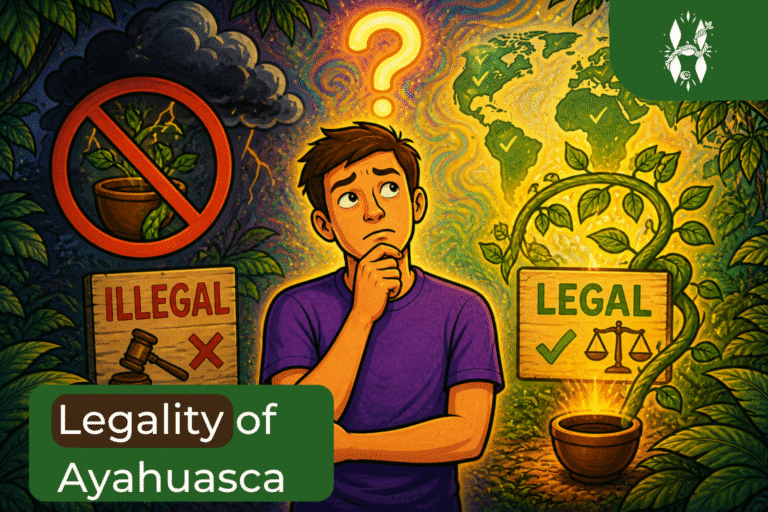
Illustration showing the legal and illegal status of ayahuasca around the world, with jungle plants, a question mark, and two signs reading legal and illegal

I’ve been facilitating ayahuasca ceremonies in Colombia for 5+ years. Once, leaving the retreat center after a ceremony, I was stopped by local police on a routine check. The officer looked at me, paused, and said — “ah, you’re the gringo who does the ayahuasca retreats” — not as an accusation, but as a statement of fact. We talked briefly, and I kept on my way. That moment would be unimaginable in most parts of the world. In the UK, facilitating a ceremony is a potential Class A drug trafficking offense. In France, Santo Daime members have received suspended prison sentences for less. Even in countries retreat operators market as “safe and legal,” the reality is far more complicated than the brochure suggests. The global legal landscape for ayahuasca is fragmented, frequently misunderstood, and consequential. This guide breaks it down fully — from countries where ayahuasca is constitutionally protected, through the gray zones where organizers carry real legal exposure, to jurisdictions where it remains flatly illegal — and why that distinction matters when choosing a retreat. The Legal Spectrum — From Protected to Prohibited Ayahuasca legality exists on a spectrum. At one end, countries where the practice is constitutionally protected as part of indigenous cultural heritage. At the other, jurisdictions where possession alone can result in criminal prosecution. Understanding where a country sits — and what that means for the people facilitating your experience — is one of the most important things you can do before booking a retreat. Where Ayahuasca Is Legal and Culturally Protected These are countries where protection runs deepest — not because of a court ruling that could be overturned, or a religious exemption limited to church members, but because ayahuasca is recognized as living indigenous cultural heritage, embedded in constitutional law and international treaty. Is Ayahuasca Legal in Colombia? Colombia has no single law explicitly legalizing ayahuasca — but also no law prohibiting it. What it has is something more structurally durable: a constitutional and indigenous rights framework that protects the practice at its roots. Several legal instruments converge here: Article 7 of the 1991 Constitution recognizes and protects the ethnic and cultural diversity of the Colombian nation Ley 21 of 1991 adopted ILO Convention 169 into domestic law — the most binding international instrument on indigenous rights, covering traditional medicine practices OPIAC issues credentials to traditional medicine practitioners across six Amazonian departments, providing legal documentation used to protect facilitators during police stops The UNESCO Yuruparí designation (2011) — initiated by Colombia — recognized the shamanic knowledge of the jaguar shamans as Intangible Cultural Heritage of Humanity, with ayahuasca explicitly named in the nomination text Critically, this protection extends beyond personal consumption. It covers preparation, transportation, and facilitation — the activities that carry legal risk for organizers in gray zone countries. That’s the fundamental difference. Is Ayahuasca Legal in Peru? In 2008, Peru issued National Directoral Resolution No. 836/INC — declaring ayahuasca National Cultural Patrimony and recognizing it as a living expression of national identity requiring active preservation. Ceremonies are fully legal for locals and foreigners alike, retreat centers operate openly, and the government has an active interest in protecting rather than prosecuting the practice. The Shipibo lineage has produced some of the world’s most experienced practitioners. The caveat: popularity has created a market where standards vary enormously. Legal protection doesn’t guarantee a safe or ethical retreat. Is Ayahuasca Legal in Brazil and Ecuador? Brazil has the clearest legal status globally — ayahuasca has been fully legal since 1987, when CONFEN removed it from the list of prohibited substances, reaffirmed by CONAD in 2010 with a formal regulatory framework. Ecuador’s protection, like Colombia’s, flows through indigenous cultural rights anchored in its progressive 2008 Constitution, with retreat centers operating openly in the Amazon region. The Gray Zone — Tolerated But Not Protected These are countries where personal consumption is decriminalized or largely unenforced — but where running a retreat operation enters categorically different legal territory. The moment ayahuasca moves from personal use into preparation, transportation, and facilitation for paying participants, it can be reframed as production and distribution of a controlled substance. Enforcement is inconsistent, but inconsistent enforcement is not the same as legal protection. This is also why retreat centers in these countries can occasionally receive a visit from local police. Is Ayahuasca Legal in Costa Rica? Frequently misrepresented as a legal destination. DMT is a controlled substance under Law 8204, and while personal possession is decriminalized, sale, distribution, transport, and charging for ceremonies fall under trafficking laws carrying 8 to 15 year sentences. The Ministry of Health issued formal warnings in both 2022 and 2025. Organizers here have no constitutional framework to invoke, no indigenous cultural rights to cite, and no regulatory status to stand behind. That exposure ultimately affects everyone present. Is Ayahuasca Legal in Spain? One of Europe’s most active ayahuasca markets. Ayahuasca is not listed as a controlled substance under Spanish law, and Ruling 316/2025 from the High Court of Justice of Madrid confirmed this — acquitting a defendant whose shipment was seized at Madrid-Barajas Airport in 2021. A significant precedent, but not a green light. The ruling applies only within Madrid’s jurisdiction. ICEERS has explicitly cautioned against reading it as national legalization. Organizers facilitating ceremonies for paying participants still carry real legal exposure under drug distribution laws. Is Ayahuasca Legal in Portugal? Portugal decriminalized personal possession of all drugs in 2001, making participant risk negligible. A visible ceremony scene operates openly, particularly in Lisbon and the Alentejo. But decriminalization covers personal consumption only — sale, transport, and facilitation remain criminal offenses, and organizers carry the same exposure as elsewhere in the gray zone. Is Ayahuasca Legal in Mexico? Frequently marketed as fully legal. It isn’t. ICEERS documented four active trials for ayahuasca importation in Mexico in the first half of 2024 alone — including indigenous practitioners facing sentences of up to 25 years. The Mexican navy has made airport seizures, and 161 kilos were publicly announced as confiscated in
39 Celebrities Who Have Done Ayahuasca (With First-Hand Accounts)

celebreties and ayahuasca

Ayahuasca has quietly moved from the Amazon into mainstream culture –  through deeply personal stories shared by artists, athletes, entrepreneurs, and public figures. If you’re new to the topic, our guide on what ayahuasca is covers the basics. Unlike surface‑level lists, this article focuses on verifiable statements, interviews, and documentaries where celebrities themselves speak about their experiences. Important note: Ayahuasca is a powerful traditional medicine rooted in Indigenous cultures of the Amazon. Experiences vary widely, and nothing here is medical or psychological advice. Why Celebrities Talk About Ayahuasca Public figures often describe ayahuasca not as a “drug experience,” but as a confrontation with self, grief, trauma, purpose, or addiction. Many came to it at breaking points—burnout, loss, or identity crises—rather than driven solely by curiosity. This article includes 39 celebrities, making it one of the most comprehensive and source‑backed lists currently available. 39 Celebrities Who Drank Ayahuasca First-Hand Accounts & Real Journeys of Transformation Key Themes Trauma & Grief Processing Addiction Recovery Confronting the Ego Purpose & Spiritual Identity Emotional Clarity Notable Figures Prince Harry: Processing Loss Aaron Rodgers: Self-Love & Clarity Megan Fox: Facing Deep Fears Mike Tyson: Inner Transformation Miley Cyrus: Creative Growth Sacred Medicine & Respect Traditional Roots Not a trend. Ayahuasca is a powerful medicine rooted in Indigenous Amazonian cultures. Responsible Path Prioritize ethical facilitators, deep preparation, and integration. Never recreational. Public Figures Who Have Spoken About Ayahuasca 1. Prince Harry and Ayahuasca: Processing Grief After Princess Diana’s Death Prince Harry became one of the most high-profile public figures to discuss  psychedelic medicine when he addressed the topic directly in his 2023 memoir Spare and in a subsequent interview with Anderson Cooper on CBS 60 Minutes. Harry spoke candidly about how decades of unprocessed grief following the death of his mother, Princess Diana, had driven him toward alcohol and eventually toward more intentional healing. Harry discussed ayahuasca, psilocybin, and mushrooms together in Spare and on 60 Minutes, framing them collectively as medicines for grief, though he did not specify which he personally used. In the 60 Minutes interview, Cooper asked what the experiences had shown him. Harry replied: “For me, they cleared the windscreen, the windshield, the misery of loss. They cleared away this idea that I had in my head that I needed to cry to prove to my mother that I missed her. When in fact, all she wanted was for me to be happy.” He was also careful to frame the experience responsibly: “I would never recommend people to do this recreationally. But doing it with the right people, if you are suffering from a huge amount of loss, grief or trauma, then these things have a way of working as a medicine.” In Spare, Harry wrote that under the influence of psychedelics he was able to “let go of rigid preconcepts” and encounter “a world that was equally real and doubly beautiful — a world with no red mist, no reason for red mist. There was only truth.” Source: CBS 60 Minutes, January 2023. Spare, Penguin Random House, January 2023. 2. Gustavo Petro and Ayahuasca: Colombia’s President Speaks Out Colombia’s president is likely the only sitting head of state in the world to have publicly admitted drinking ayahuasca — making him a particularly significant entry on this list given that the medicine is deeply embedded in Colombian Indigenous culture. The details emerged during an interview with journalist Daniel Coronell for his book The Children of the Amazon, a story that itself involved a shaman drinking ayahuasca to locate four missing Indigenous children in the jungle. Petro revealed he had drunk the brew twice: his first experience left him with a vision of himself hugging a mountain and planting roots, arriving at a realisation that his purpose was to care for nature. His second experience was far more difficult — he saw a vision of his own death, likely shaped by his years as an underground guerrilla fighter living under constant threat. Wholecelium The intensity of that second journey was enough that he has said he does not intend to try it again, though he retains a deep respect for the medicine and its place in Indigenous Colombian tradition. Source: Daniel Coronell, The Children of the Amazon, 2024. DoubleBlind magazine, June 2024. 3. Gabor Maté and Ayahuasca: The Trauma Expert’s Breakthrough Dr. Gabor Maté is the rare figure on this list who approaches ayahuasca from both the inside and outside — as a participant and as one of the world’s most respected voices on trauma and addiction. He first encountered the medicine after publishing his 2009 book In the Realm of Hungry Ghosts, when readers kept asking him about ayahuasca’s role in addiction healing and he knew nothing about it. He eventually tried it in Vancouver with a Peruvian shaman, describing the result plainly: “I did the ayahuasca, and I experienced pure love for the first time in my life.” Podcasts He went on to lead retreats with the medicine and has written and spoken extensively about its potential in trauma treatment — arguing that addiction is not a genetic disease but a response to trauma, and that ayahuasca can address that root cause in ways conventional medicine often cannot. His work has done more than perhaps any other figure to bring a clinical lens to the conversation around plant medicine. Source: This Past Weekend with Theo Von, Episode 538. Multiple published lectures and interviews. 4. Tony Robbins and Ayahuasca: Confronting Fear in the Amazon Robbins recounted his ayahuasca experience during an appearance on Hotboxin’ with Mike Tyson, describing a ceremony he participated in deep in the Amazon rainforest. His account fits naturally within his broader philosophy — he has long argued that lasting change requires confronting fear and discomfort rather than avoiding it, and he framed ayahuasca as one of the more extreme versions of that confrontation. He has also spoken about funding psychedelic research studies, suggesting his interest goes beyond personal experience into active advocacy for the therapeutic potential of
29 Best Ayahuasca Documentaries: Free & Paid [2026 Guide]

ayahuasca documentary

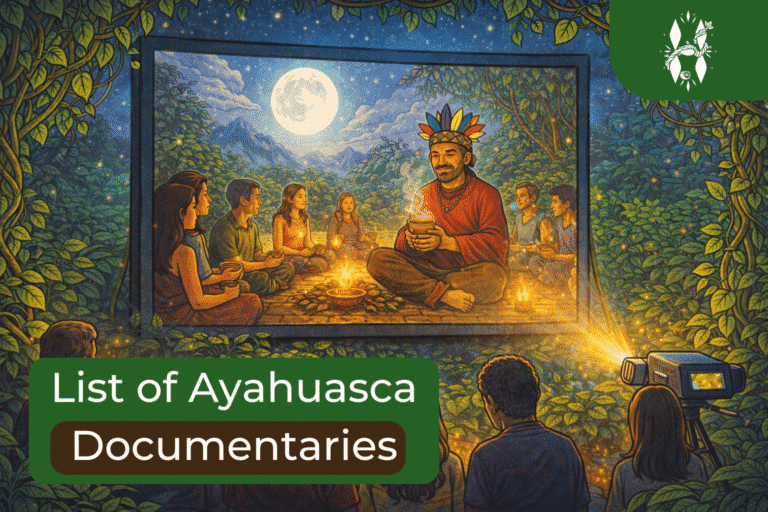
The Ultimate Guide to Ayahuasca Documentaries Ayahuasca has catalyzed profound healing journeys for countless individuals. Many who possess talents in videography feel called to share their transformative experiences with the world, to answer the question: “What is Ayahuasca and how can it help in modern times?” This comprehensive guide showcases award-winning documentaries about Ayahuasca, organized by accessibility—free to watch or available for purchase. Whether you’re a curious seeker, researcher, or seasoned practitioner, these films offer invaluable perspectives on this sacred medicine. An open dialogue between the individual and the retreat center is essential to determine the specific needs of the person and how those needs can or cannot be provided for. While Ayahuasca has gained attention for its potential therapeutic benefits, participating in ceremony with autism presents unique considerations that must be carefully evaluated on an individual basis. Understanding the Documentary Landscape The Peruvian Connection Ayahuasca retreats first gained popularity in Peru, making it the epicenter for documentary filmmaking in this space. This created a halo effect where Western audiences began to strongly associate Ayahuasca with Peruvian traditions. More recently, documentaries exploring Colombian Ayahuasca traditions have also emerged, broadening the narrative. Last year at Harmonica Retreat in Colombia we did a documentary called “the war within” which will be showcased on various film festivals this year.  Common Themes Most documentaries in this collection explore several core themes: The mental health crisis in Western society The limitations of conventional medical approaches Indigenous wisdom and traditional healing practices Reconnecting with nature and Mother Earth The journey inward through introspection and self-discovery Free Documentaries Curandera Awards: Winner of 6 Film Festival Awards A powerful documentary chronicling one woman’s incredible life journey—Tatiana Aya Tupinambá—and her path to overcoming childhood trauma through a deep relationship with Ayahuasca and plant medicine. Her transformative story led her to become an Ayahuasca curandera, dedicating her life to healing others. https://youtu.be/bY8rZ-BG5D8 The Sacred Science Eight people. Eight illnesses. One journey into the heart of the Amazon jungle. They went looking for alternatives to the modern medicines that failed them. What they found would change their lives forever. Watch Full Film: The Sacred Science Screening https://www.youtube.com/watch?v=RTVI8eI8eOU The Nature of Ayahuasca A spontaneously created documentary exploring the use of Ayahuasca as holistic medicine. The director shares:  “I was at this retreat for my own personal development and happened to have my camera with me. Halfway through the retreat I made a spontaneous decision to make this documentary during a conversation. I had never made a documentary before.” Watch full film: The Nature of Ayahuasca https://www.youtube.com/watch?v=6j0_glRnJxI Aubrey Marcus: The Dragon of the Jungle Maestro Orlando Chujandama, known as “El Dragon De La Selva” (The Dragon of the Jungle), is the torch bearer of a long and prestigious lineage of Quechua ayahuasqueros. As Aubrey Marcus’s first curandero and most honored maestro, this documentary tells a journey of healing through Ayahuasca while serving as a biopic for one of this planet’s living legends. This Chakaruna Media documentary features Aubrey Marcus, Mehcad Brooks, Vylana Marcus, and Maestro Orlando, with direction by Max McCoy. Watch full film: The Dragon of the Jungle https://www.youtube.com/watch?v=Va9idaJNLyw She is a Shaman Lost between a sea of self-healing miracles and “watch-out-you’re-being-scammed” exposés is a whole universe of weird, fascinating gray areas: the lives of the shamans themselves. This documentary asks: Who is the person behind the shaman? What is their life actually like? When they’re not in robes and headdresses, what do they… do? Watch full film: She is a Shaman https://www.youtube.com/watch?v=Lra4c4LwCBw The Cost of Spiritual Healing in the Amazon Nina is from the Kichwa people of Sarayaku, Ecuador. Speaking with the memory of her shaman grandfather, she addresses the ongoing cultural appropriation, environmental destruction, and marginalization of her people, questioning our very relationship to the Earth and the quest for healing. Watch full film: The Cost of Spiritual Healing in the Amazon https://www.youtube.com/watch?v=8jG6B0o1QfQ Vine of the Soul Can a sacred plant medicine from the Amazon heal our minds and spirits? In the heart of the jungle, a naturopathic doctor and an accountant experience life-altering epiphanies when they drink the psychoactive brew Ayahuasca, the ‘Vine of the Soul.’ This award-winning documentary explores the mystery of Ayahuasca shamanism, offering insights into the nature of spirituality, mystical experience, and self-healing discovered through an expanded state of consciousness. Watch full film: Vine of the Soul https://www.youtube.com/watch?v=tY6xLay0sxg Ayahuasca: Expansion of Consciousness This documentary tells the story of Ayahuasca from its emergence in the Amazonian Forest to its popularity with the Santo Daime religion, and on to its arrival in urban centers. Combining scientific, religious, and anthropological perspectives on the use of Ayahuasca in modern society, and in parallel with director Fausto Noro’s own healing process, this film provides a holistic yet balanced view of this controversial subject. Watch full film: Ayahuasca: Expansion of Consciousness https://www.youtube.com/watch?v=Vb805N9wIcI Metamorphosis Ayahuasca has been used by shamans and those they help for hundreds, if not thousands, of years. This documentary follows several Westerners as they undergo five Ayahuasca ceremonies and experience the gamut of emotions—from utter fear to outright ecstasy. It explores the shamans who work with the medicine as well as all the key elements of an Ayahuasca ceremony. The film also tells the story of Hamilton Souther, who earlier in life had no belief in spirit. After having a spiritual awakening, Hamilton is led to the Amazon where he apprentices as an Ayahuasquero. Hamilton and Maestro Don Alberto (an indigenous master shaman for over thirty years) take us through the ceremonies and explain the meaning behind them. Watch full film: Metamorphosis https://www.youtube.com/watch?v=dz0XLVUq3WI For the Love of Medicine A mini-documentary from the Temple of the Way of Light highlighting the importance of personal healing for Western healthcare practitioners. In 2019, the Temple held a 12-day retreat for healthcare professionals with renowned physician, speaker, and best-selling author Dr. Gabor Maté. A major reality surfaced during the retreat: healthcare professionals often don’t recognize their work’s negative impact on them as providers for cultural, systemic, and personal reasons. Nor do they
Full Moon Ayahuasca Ceremonies in Colombia Explained

ayahuasca during full moon (1)

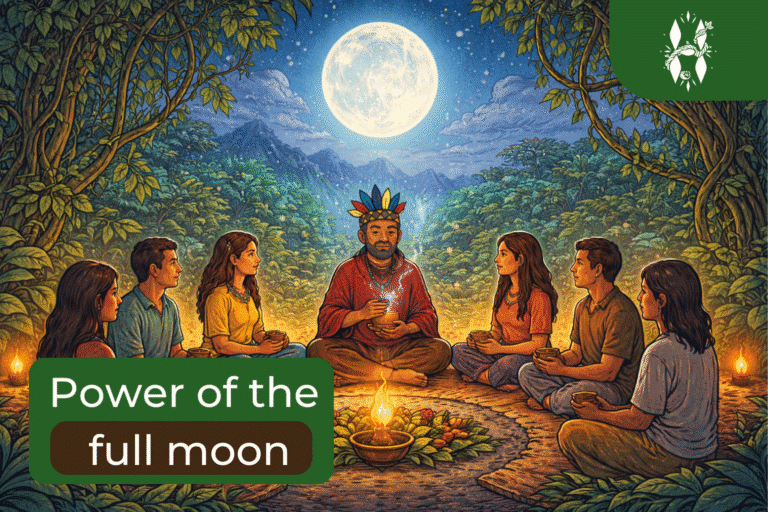
You’ve probably noticed that some ayahuasca ceremonies are specifically scheduled during the full moon. Is this merely coincidence, or does it carry deeper significance? Understanding the relationship between lunar cycles and it’s impact on  Ayahuasca ceremonies can enrich your journey. The Moon’s Role in Colombian Rural Life When you speak with people from the Colombian countryside, you’ll quickly discover they maintain a profound connection with natural cycles that many in the city have lost. The moon’s phases aren’t just celestial phenomena – they’re practical guides in their daily life. Farmers here don’t plant and harvest on arbitrary schedules. They follow the moon. For example, it’s common knowledge in rural Colombia that bamboo harvested during the waning moon develops better durability and experiences fewer insect attacks. This isn’t superstition – it’s generational wisdom passed down through observation and experience. This lunar awareness extends to every aspect of agriculture, including the cultivation and harvesting of ayahuasca itself. The same natural intelligence that guides when to plant corn or cut bamboo also influences the Ayahuasca ceremony.  Why Full Moon for Ayahuasca Ceremonies? In Colombian tradition, the full moon is believed to create the highest level of potency in ayahuasca ceremonies. These full moon ceremonies hold a particularly important place in indigenous practices, especially among communities who have worked with plant medicine for generations. The reasoning is elegant: just as the moon influences tides and plant growth, it’s understood to affect the energetic properties of the medicine and the receptivity of participants. During the full moon, everything is considered to be at its peak – illuminated, amplified, potent. Other Full Moon Practices in Colombian Tradition Ayahuasca ceremonies aren’t the only spiritual work emphasized during the full moon. Among the Kamsa Biya tribes, individual energetic cleanings called limpiezas are considered especially powerful at this time. There’s even significance placed on the order of these cleanings during full moon ceremonies, with many believing the first energetic cleaning carries the most power. Plant baths – used for personal energetic harmonization or to cleanse a home – are frequently performed during the full moon as well. This lunar phase is viewed as a time when energy runs high, when spiritual activities carry more weight. The full moon becomes a natural amplifier for any transformative work you undertake. If you want to explore the Colombian Ayahuasca traditions, we invite you to consider Harmonica Ayahuasca Retreat.  What About Other Moon Phases? While Colombian tradition places special emphasis on full moon ceremonies, there isn’t as much discussion about the significance of other lunar phases. This doesn’t mean ceremonies held at other times are less valuable or less recommended. You can absolutely experience profound ceremonies regardless of the moon’s position in the sky. The full moon simply represents an optimal time within a broader understanding that all moments hold potential for healing and insight. A Word of Caution: Don’t Give Your Power Away In spiritual circles, there’s often an intense focus, sometimes an obsession, with astrology and cosmic timing. While there’s genuine wisdom in understanding these cycles, it’s crucial not to surrender your personal power to external circumstances. Here’s what I believe: the biggest portal is you. Remember: cosmic timing can support your journey, but you are the portal. You are the magic. The transformation you seek begins and ends with your willingness to show up fully, whenever that moment arrives. When you’re genuinely open, when you’re truly ready to change, when you’ve reached that point of readiness to release what no longer serves you – transformation happens. It happens regardless of the moon phase. It happens regardless of which planets are in retrograde or what astrological gate is opening. These cosmic events can certainly guide you. They can offer helpful timing for your intentions. But they shouldn’t become conditions that limit you or excuses that delay your healing journey. Your readiness, your willingness, your openness – these are the real determinants of transformation. The full moon can enhance and amplify, but it cannot create what isn’t already within you, waiting to emerge. Finding Your Own Rhythm As you explore ayahuasca ceremonies in Colombia, you’ll likely encounter both full moon ceremonies and gatherings held at other times. My suggestion? Remain curious and open to both the wisdom of tradition and your own inner guidance. If a full moon ceremony calls to you and aligns with your schedule, honor that pull. There’s beauty in participating in practices that have been refined over generations. But if your timing leads you to ceremony on a new moon, or somewhere in between, trust that too. The plants will meet you where you are. The medicine works with your intention, your openness, your readiness to heal. The moon may set the stage, but you are the one who steps into the light.

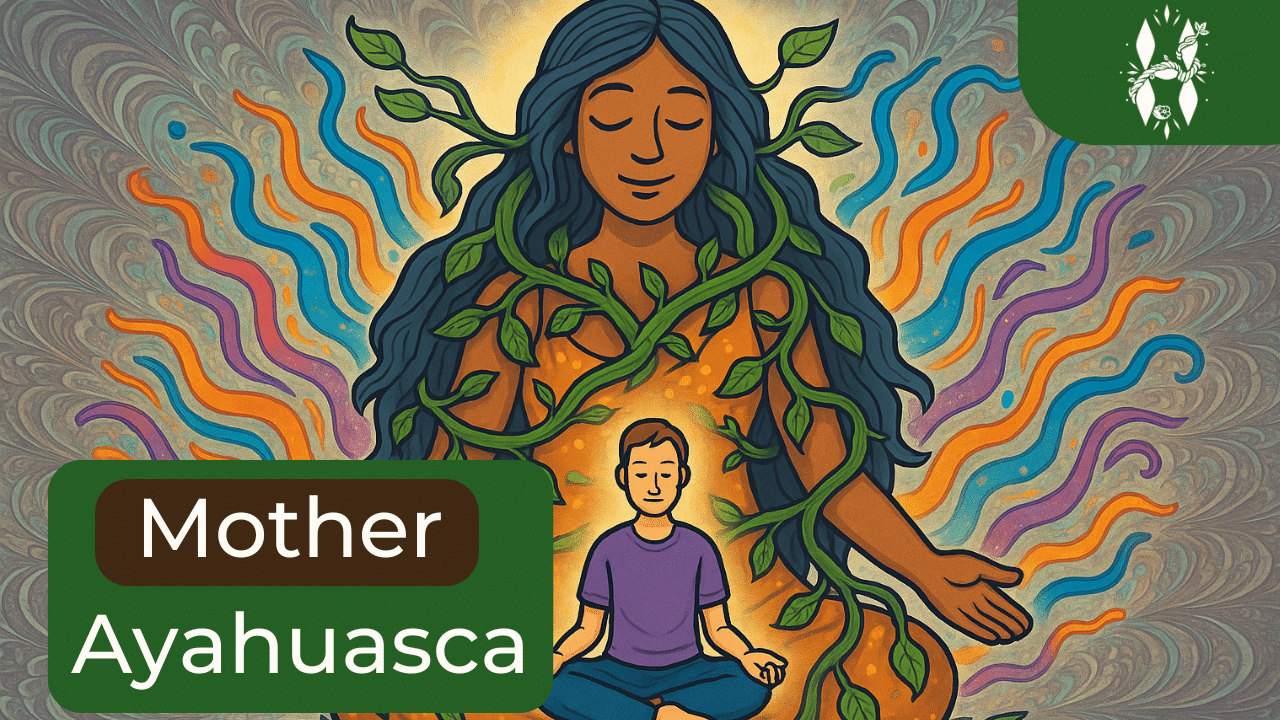
Mother Ayahuasca: 10 Teachings from the Amazon Spirit

blog mother ayahuasca (1)

In the depths of the Amazon rainforest, in the heart of mother nature, lives a spirit known to indigenous communities as Mother Ayahuasca. Far from being just another plant medicine, she represents one of the most profound healing traditions of our time—a bridge between the physical and spiritual worlds that has guided indigenous peoples for countless generations. As our world grapples with widespread mental health challenges and a growing disconnect from nature, Mother Ayahuasca has begun to extend her reach beyond the jungle canopy. But what exactly is this sacred medicine, and why has she chosen this moment in history to share her gifts with the wider world? Who Is Mother Ayahuasca? Mother Ayahuasca is the spirit embodied in a traditional brew made from two primary Amazonian plants: chacruna and caapi. In indigenous cosmovision, this is not simply a botanical mixture—it represents a living consciousness. Indigenous peoples believe that everything on Earth possesses awareness, and plants are no exception. As one of the principal medicines of the Amazon rainforest, Mother Ayahuasca has served traditional healers for generations. She facilitates connection with the spirits of the Amazon and other plant allies, offering guidance and healing for ailments of the body, mind, and emotions. Her role transcends that of a medicine; she is considered a teacher, a guide, and a grandmother spirit who holds ancient wisdom about healing and human consciousness. Learn more about the Ayahasca itself in our blog What is Ayahuasca? and the Origin of Ayahuasca. The Nature of Her Work: How Mother Ayahuasca Heals Mother Ayahuasca operates on multiple levels simultaneously. Physically, she often induces purging through vomiting or diarrhea—a process that indigenous cultures understand as far more than bodily cleansing. This physical release represents a spiritual and energetic purification, clearing away what no longer serves the individual. The experience creates what can be described as an expanded self-dialogue. In this heightened state of consciousness, participants engage in deep introspection, seeing themselves without the usual filters and defenses that govern daily life. This unvarnished self-reflection often brings clarity to patterns, traumas, and behaviors that may have remained hidden or unaddressed. The medicine works not by imposing external solutions, but by revealing what already exists within—helping individuals access their own wisdom and healing capacity. Connecting with Mother Ayahuasca The relationship with Mother Ayahuasca begins long before the actual ceremony. The moment someone decides to work with this medicine, an internal process often begins. Many report more vivid dreams and an increased awareness of their subconscious patterns as they prepare for the experience. Direct connection occurs within the ceremonial context, typically under the guidance of experienced practitioners. However, the medicine’s influence extends beyond the ceremony itself, often continuing to work through integration and daily life application of the insights received. Many feel “Ayahuasca caling” before their first ceremony. Preparing well is key—see our guide on Ayahuasca Preparation. Visinary art of Mother Ayahuasca:  These artworks capture the spirit, colors, and teachings that often appear in ceremonies, offering a glimpse into her world even outside the maloka. Explore some inspiring examples here: The Grandmother Spirit: Understanding Her Essence What characterizes Mother Ayahuasca as a grandmother spirit? Like many wise grandmothers, she embodies both nurturing understanding and firm discipline. She offers unconditional love while refusing to enable harmful patterns. Her approach can be gentle when needed, yet unflinchingly direct when transformation requires it. As one of the primary medicines of the Amazon—considered the heart of Mother Earth—she carries the wisdom of the natural world. Many practitioners describe her as the Earth’s medicine for humanity, offering healing that reconnects us with our place in the larger web of life. Confronting Fear: Why People Hesitate The fear surrounding Mother Ayahuasca is rarely about the medicine herself. Instead, people fear meeting themselves through her mirror-like qualities. The prospect of feeling long-suppressed emotions or confronting uncomfortable truths about oneself naturally generates anxiety. This fear deserves acknowledgment and respect rather than dismissal. It’s important to give space for these feelings while not allowing them to become overwhelming. Those who have worked with Mother Ayahuasca consistently describe her as a profoundly loving medicine, even when the healing process involves temporary discomfort. ear is natural in this work. Read more in our blog on Being Afraid of Ayahuasca. From Jungle to World: Mother Ayahuasca’s Expansion Twenty years ago, encountering Ayahuasca ceremonies outside the Amazon was nearly impossible. Even traveling to the jungle offered no guarantee of participation, as many tribes remained protective of their sacred traditions, hesitant to share with outsiders. This has dramatically changed in recent decades. Multiple tribes, their elders, and medicine carriers report receiving guidance that the time has come to share their wisdom with the broader world. They recognize that humanity is suffering on both collective and individual levels, and in times of great need, Earth’s medicine can offer healing. This expansion represents not commercialization, but rather a response to a global crisis—a planetary healing intervention guided by indigenous wisdom keepers. Ceremonies differ between the Amazon and abroad. See our blog on Drinking Ayahuasca in the West. Especially the full moon Ayahuasca ceremonies carry a big significance in the Colombian tradition.  Core Teachings and Wisdom Mother Ayahuasca’s teachings center around several fundamental themes: Healing and Cleansing: She helps clear physical, emotional, and spiritual blockages that prevent wellbeing and growth. Remembering Our Humanity: In a world increasingly disconnected from compassion and community, she reminds us of our essential human nature. Reconnecting with Nature: She facilitates a remembering of our place within the natural world, healing the artificial separation between humans and environment. Divine Guidance: She offers direction and clarity for life’s challenges, helping individuals align with their authentic path. If you’d like to get a clearer picture of how a ceremony unfolds and what you may encounter, we recommend our detailed guide: Ayahuasca Ceremony – What to Expect. Sacred Significance for Indigenous Peoples For indigenous communities, Mother Ayahuasca holds profound sacred significance. She serves as: A cornerstone of spiritual practice and community cohesion A medicinal ally for

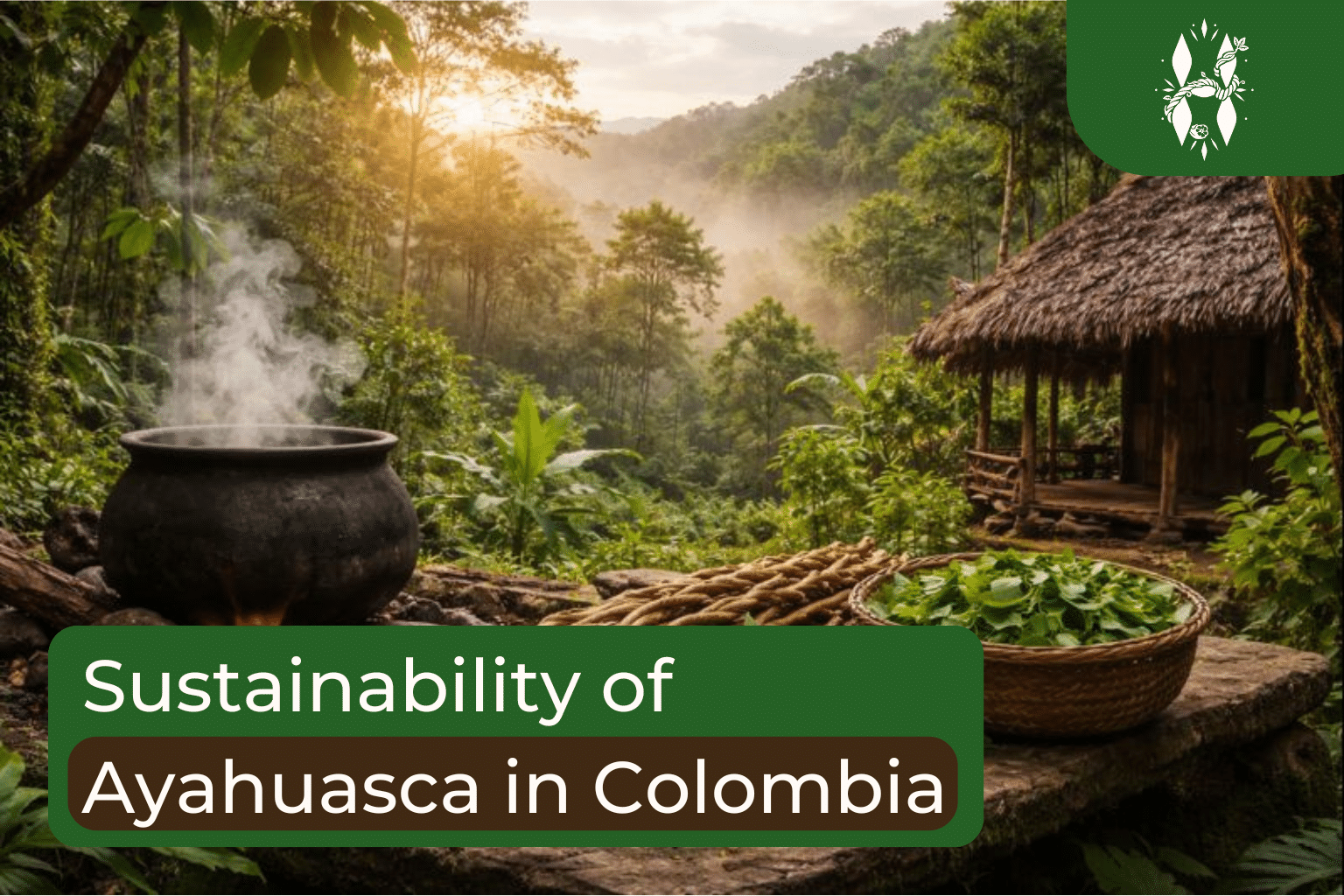
Is Ayahuasca Sustainable? The Colombia Story You Haven’t Heard

sustainability of ayahuasca in colombia

The ayahuasca movement attracts people who care deeply about nature, sustainability, and how their actions influence ecosystems. This naturally raises an important question: how does our use of ayahuasca impact the environment, particularly in Colombia—one of the plant medicine world’s most significant centers? Online discussions often paint a troubling picture: sacred plants extracted for profit, creating shortages that undermine indigenous cultural heritage. While these concerns deserve attention, the reality in Colombia is more nuanced and, in many ways, more hopeful than internet narratives suggest. Colombia’s unique confluence of post-conflict transformation, environmental leadership, and traditional medicine stewardship is creating a new model for what rainforest economics can look like. Key takeaways: Sustainability of Ayahuasca in Colombia  Ayahuasca is not globally scarce or at risk of extinction. Current levels of use require only a small fraction of available Amazon land when cultivation is done responsibly. Scarcity exists only for certain ayahuasca vine varieties. Specific wild-growing and older vines are becoming rarer due to localized overharvesting, not global demand. Responsible ayahuasca cultivation supports Amazon livelihoods. Ethical cultivation creates employment and offers a viable economic alternative to extractive industries in Amazon regions. Colombia’s Historic Environmental Commitment In November 2025, Colombia made history by becoming the first Amazonian nation to declare its entire Amazon biome off-limits to oil and large-scale mining. Environment Minister Irene Vélez Torres announced this unprecedented decision at COP30, protecting over 48 million hectares—representing 42% of Colombia’s continental territory and 7% of the South American Amazon. This decision directly impacts the primary ayahuasca-growing departments: Amazonas, Caquetá, Putumayo, Guaviare, Guainía, and Vaupés. These are the same regions where traditional medicine families have cultivated Yagé (as ayahuasca is known in Colombia) for generations, and where indigenous communities including the Cofán, Siona, Kamentsa, Inga, and many others have maintained sacred relationships with these plants since time immemorial. Quote: “The forest wants to share its wisdom. Our responsibility is to receive it with the reciprocity and respect it deserves.”  – Sergio Henao Understanding the Scale: A Question of Numbers Precise figures are difficult to obtain, but ICEERS estimated that in 2019, approximately 880,000 people worldwide participated in ayahuasca ceremonies, with many attending multiple ceremonies throughout the year. This brought the estimated total servings to 5.7 million for that year alone. From direct experience working with ayahuasca cultivation in Colombia, one hectare of biodiverse land can comfortably sustain ceremonies for 1,000 people annually. This conservative estimate accounts for maintaining ecological diversity within that territory. Using this calculation, for 5.7 million servings globally, we would need approximately 5,700 hectares—equivalent to 57 square kilometers, roughly half the size of Paris. Now consider this: the Colombian Amazon alone contains approximately 48 million hectares. The Amazon as a whole spans 670 million hectares across nine countries. From these numbers, it becomes clear that a global shortage of ayahuasca plants isn’t the fundamental issue and there is no threat of the plant becoming extinct.  Ayahuasca Sustainability Infographic Sustainability of Ayahuasca Navigating the Nuance of Sustainability of Ayahuasca in Colombia “The forest wants to share its wisdom. Our responsibility is to receive it with the reciprocity and respect it deserves.” — Sergio Henao The Scale of the Amazon 5.7 Million Estimated Annual Servings (2019) 5,700 Hectares Land required for sustainable global supply That’s roughly half the size of Paris. For context, the Colombian Amazon alone is 48 million hectares. Ayahuasca is NOT at risk of extinction. Understanding “Scarcity” What is becoming rare? Aged vines (20+ years old) Specific microclimate varieties Wild vines near “tourist hotspots” The Solution Responsible cultivation Intergenerational planting Ancestral land stewardship Colombia Makes History As of November 2025 (COP30), Colombia is the first Amazonian nation to declare its entire Amazon biome off-limits to oil and large-scale mining. 48M Hectares Protected 42% Of Colombia A New Economic Model Sustainable Ayahuasca cultivation provides a dignified alternative to extractive and destructive industries: No Logging No Coca No Oil Fair Jobs The Seeker’s Role Align your healing with the health of the forest. Source Choose centers that cultivate their own plants. Respect Work with indigenous-led stewardship. Impact Ensure fair wages for local employees. Connect with the Tradition Join a community practicing intergenerational stewardship and regenerative rainforest economics. Harmonica Ayahuasca Retreat Sustainable Medicine • Post-Conflict Transformation • Amazonian Stewardship The Nuanced Reality: What Scarcity Actually Means However, the calculation reveals only part of the story. There are more than 60 different types of ayahuasca vines, each with distinct properties and traditional uses. Some varieties thrive only in specific microclimates that cannot be easily replicated elsewhere. More significantly, aged vines—those 20 years or older—are becoming increasingly rare in the wild. These older vines are often preferred by traditional practitioners for their potency and considered markers of ecological health and continuity. The real scarcity isn’t about ayahuasca as a whole, but about specific varieties and wild-growing populations in particular locations. In tourist retreat hotspots near Iquitos, Peru, and even in some Colombian areas near urban centers, wild ayahuasca vines have indeed become scarcer over the past decade. The problem arises when individuals or operations disconnected from local ecosystems enter the jungle, harvest wild plants without replanting, and show no regard for their ecological footprint. This extractive pattern—taking from the land without giving back—represents a fundamental violation of sustainable practice and traditional indigenous values of reciprocity. Colombia’s Unique Post-Conflict Opportunity What makes Colombia’s situation particularly compelling is how ayahuasca cultivation intersects with the country’s post-conflict transformation. After decades of armed conflict involving FARC guerrillas and other groups, many rural areas in Putumayo, Caquetá, and other Amazon departments are seeking viable economic alternatives. Historically, the primary industries in these Amazon regions have been logging (legal and illegal), mining, oil extraction, agriculture, cattle ranching, coca cultivation for coc*ine production, and limited eco-tourism. With the sole exception of eco-tourism, all of these industries exploit rainforest resources. When individuals and communities struggle economically, they engage in whatever industry can meet immediate needs, regardless of environmental cost. Colombia’s commitment to keep its entire Amazon free from oil and mining removes two of
Losing Control on Ayahuasca

blog losing control on ayahuasca

Discover the healing power of Ayahuasca. Learn how surrender, trust, and safe guidance turn fear of losing control into transformation.

Ayahuasca, God and Religion

ayahuasca god religion

This is a big topic, one that could stir up a bit of controversy. When you stop and think about it, so many wars have been fought in the name of God, with people insisting their way is the “right” way while condemning others’ beliefs and practices. Personally, I find it sad that something meant to bring peace and hope into people’s lives often ends up causing so much division. It feels like we’ve lost sight of the true essence, allowing conflict to overshadow what should be a unifying force. But because this is such a vast and complex topic, let’s break it down, especially how it ties into Ayahuasca and what people experience during ceremonies. To note – this blog isn’t tightly structured. I want to share various perspectives, from indigenous views to participants’ stories, as well as my own personal experiences and observations. Hopefully, by weaving these together, we can get a broader understanding. Key takeaways Ayahuasca can offer a deeply personal connection to divinity – it’s not tied to any specific religion or belief system and allows people to explore their own spiritual truths.   After the Spanish Inquisition, some indigenous groups adopted Christianity, finding parallels between their own beliefs and the new faith, for example similarities between the Virgin Mary and Pachamama.   At AYA Retreat, the focus is on creating a safe space for personal exploration, free from dogma or religious preaching. Table of Contents “For us, all beliefs are welcome. Whether you come from a religious background, follow a spiritual path, or don’t believe in anything at all, that’s completely fine.” Find out if Ayahuasca is right for you Will you be safe physically and emotionally? How will you be supported in the ceremony? How do the facilitators handle difficult situations? How will you be able to process the experience? You want change, but will your life be unrecognizable after Ayahuasca? + 13 things to consider before drinking Ayahuasca? Psychedelics vs Entheogens When discussing substances like Ayahuasca, the term “psychedelics” often comes up. It’s a common word we hear when talking about psychoactive plants. However, a term that’s been gaining more traction in certain circles is “entheogen.” This word holds deeper meaning, reflecting the sacred role these plants play in the cultures where they are not just used but revered. The word “entheogen” actually has roots in Ancient Greek. It comes from “entheos,” meaning “full of the god, inspired, possessed,” and “genesthai,” which translates to “to come into being.” So, in essence, an entheogen is something that causes a person to become full of divine inspiration or to feel connected to the divine. It’s a powerful distinction that highlights the spiritual and cultural significance of these plants beyond just their psychoactive effects. The Origin of Ayahuasca The origins of Ayahuasca are deeply rooted in the spiritual traditions of indigenous peoples, particularly in the Amazon basin. For them, Ayahuasca wasn’t just a drink; it was a way to connect spiritually with the jungle. The shamans, often called Taitas or Mamitas, were the traditional healers or “doctors” of their tribes. Through Ayahuasca, they would commune with the spirits of the plant, the jungle, and other medicinal plants to guide them in healing physical and spiritual ailments. It was a sacred tool, allowing them to access realms of knowledge and understanding far beyond the physical world. We’ll explore more about how the indigenous view concepts like God and divinity in a later part of this blog, as it’s an important piece to understanding Ayahuasca’s role in the indigenous culture. Must read blog: Origin of Ayahuasca  From “The Old Bearded Man in the Sky” to the Energy of the Universe: Shifting Perspectives on God When speaking with people from different parts of the world, it seems like the role of organized religion has generally diminished over the past few decades. Many struggle to connect with some of the flaws and scandals that have emerged, particularly within institutions like the Catholic Church (though we won’t dive too deep into that here). For those who grew up in strictly religious households, resentment towards God and religion often builds up. If you’ve been raised to believe that every move you make is being judged, that you’re inherently a sinner, and that missteps could send you straight to hell, it’s no wonder many end up feeling disconnected. This heavy sense of being watched and judged can lead to deep discomfort with traditional religious teachings. The image of God as an old bearded man in the sky, keeping tabs on our every action, feels distant and alien to many people today. It’s a concept that just doesn’t resonate with everyone. However, in conversations with others, there seems to be a growing shift toward ideas like “the universe” or a “guiding energy.” For many, this broader, less personified understanding of divinity feels more relatable and comforting than the strict, judgmental figure they grew up with. Our Philosophy at AYA Retreat At Harmonica Ayahuasca Retreat, we like to say that Ayahuasca isn’t about dogma. We’re not here to push you in any particular direction or impose any belief system. Instead, our focus is on creating a safe and open space where you can connect with the spirit of Ayahuasca in your own way. It’s not about telling you what to believe – it’s about letting Ayahuasca be the guide, allowing the plant medicine to speak to you and teach you what you need to know. For us, all beliefs are welcome. Whether you come from a religious background, follow a spiritual path, or don’t believe in anything at all, that’s completely fine. We hold space for everyone, with no pressure to conform to any particular belief system. It’s all about your personal experience and journey. My Personal Journey with Ayahuasca, God and Religion Growing up, my parents took an interesting approach when it came to religion. They told me I could choose a religion whenever I was ready, without pushing anything on me. They didn’t

What Is Yagé? The Complete Guide to Colombia’s Sacred Plant Medicine and How It Differs from Ayahuasca

abuelo abuela

At their core, ayahuasca and yagé are the same medicine. They share the same vine, the same fundamental purpose, and the same essential invitation: to look honestly at yourself — at the mirror of your own soul — and see what is really there. What differs is the cultural container. The way the brew is prepared, the ceremony format, the songs, the tradition behind the taita guiding the night — these vary significantly between Colombia, Peru, and Brazil. In this guide, we break down what yagé is, what makes the Colombian tradition distinct, and what you can genuinely expect. What Is Yagé? Understanding Colombia’s Sacred Plant Medicine Yagé (pronounced yah-HEY) is a psychoactive plant brew made from two plants native to the Amazon basin. The vine — Banisteriopsis caapi — contains harmala alkaloids that act as MAO inhibitors. The leaf — chagropanga or chacruna depending on the tradition — contains DMT, the compound responsible for the visionary experience. Neither plant works fully alone. The vine’s alkaloids block the gut enzyme that would otherwise destroy the DMT before it reaches the bloodstream. Together they produce an experience lasting five to eight hours. Indigenous communities across Colombia, Ecuador, Peru and Brazil have worked with this medicine for thousands of years — as a tool for healing, self-reflection, and accessing deeper layers of knowledge. In the Colombian tradition it is considered a planta maestra — a master plant teacher. The visions it produces are understood as teachings. Ceremonies are held at night under the guidance of a Taita. Purging — nausea and vomiting — is an expected part of the process, understood as physical and emotional cleansing. Yagé vs Ayahuasca: Are They the Same Thing? Yagé and ayahuasca are not the same thing — but the overlap is significant enough that drawing a hard line between them misses the point. Different Vocabulary, Same Medicine Part of the confusion comes down to language: Colombian vocabulary: Yagé (finished brew) = The vine (called ayahuasca) + The leaf (called chagro or chagropanga) Worldwide vocabulary: Ayahuasca (finished brew) = The vine (called caapi) + The leaf (called chacruna) In Colombian tradition, ayahuasca refers to the vine — one ingredient inside the yagé. Worldwide, ayahuasca refers to the finished brew. The same word, two different meanings depending on where you are.   Ayahuasca Yagé Origin Amazon basin Amazon basin Number of plants Two Two Context Ceremonial Ceremonial Purpose Healing, self-reflection, spiritual insight Healing, self-reflection, spiritual insight The vine Banisteriopsis caapi (called caapi) Banisteriopsis caapi (called ayahuasca) The leaf Chacruna (Psychotria viridis) Chagro / Chagropanga (Diplopterys cabrerana) Ceremony style Dark, silent, icaros Music, guitar, rezos, periods of silence Brew concentration Generally less concentrated Generally more concentrated Purging Present Expected part of the process Guiding figure Shaman / curandero Taita Primary tradition Peru, Brazil Colombia, Ecuador The Differences Between Yagé and Ayahuasca Botanical Differences — Chaliponga vs Chacruna Both brews use the same vine — Banisteriopsis caapi. The difference, according to online consensus, lies in the leaf. Ayahuasca traditionally uses chacruna (Psychotria viridis), while Colombian yagé uses chagropanga (Diplopterys cabrerana). In practice this distinction is harder to verify than most articles suggest. Elders don’t use scientific names — they work from lineage knowledge and regional plant names. Different regions use different names for the same plant. The botanical difference is likely real, but not as clearly defined as the internet implies. Preparation and Ceremony Style Peruvian ceremonies take place in darkness, with long stretches of silence broken by the icaros of the shaman — sacred healing songs central to how the medicine is guided through the night. Colombian ceremonies have a different energy. Medicine Music plays a larger role, including guitar, with alternating periods of sound and silence. Colombian taitas sing rezos — related in purpose to icaros but carrying their own distinct lineage and form. In Brazil the format shifts again. Yet across all three traditions, the essence of what is being worked with remains the same. There is a preparation element for Yage, especially the mental aspect (the willingness to look within) and arriving with humility and respect is important. The physical preparation isn’t as tedious as in Peru.  Colombian Yagé vs Peruvian Ayahuasca Colombian yagé is generally described as more concentrated and more purgative than what most people encounter in Peru. We regularly hear from participants who needed three ceremonies to connect with the medicine in Peru, who then connect deeply on their first or second night in Colombia. The reasons are debated — overharvesting in Peru, differences in brew concentration, and some accounts suggesting higher DMT content in Diplopterys cabrerana. Likely a combination of all three. How Environmental Differences Might Affect the Properties of the Plant I had a conversation with a researcher who attended our Ayahuasca retreat and she mentioned an interesting observation about cacao: its properties can vary depending on which side of a hill it grows on. This concept, while not directly proven for Ayahuasca, opens up an intriguing line of thought. If the environment – such as soil composition, altitude, climate, and other ecological factors – can influence the properties of one plant, it’s possible that Ayahuasca vines growing in different regions, like Peru and Colombia, might also exhibit slight variations in their properties. Yagé in Colombia — Tradition, Culture and Ceremony Indigenous Origins — Siona, Cofán, Kamsá Biyá and the Putumayo Yagé has been at the heart of indigenous life in the Colombian Amazon for centuries. Among the peoples of the Putumayo — the Siona, Cofán, Coreguaje and Kamsá Biyá — it is a medicine of knowledge, inseparable from how these communities understand healing and community. We work directly with the Kamsá Biyá tradition at Harmonica Retreat. The Role of the Taita Taita means father — and that is precisely what the role embodies. The taita holds the community, carries the lineage knowledge of how to prepare and work with the medicine safely, and his authority comes from years of apprenticeship under elder taitas — drinking the medicine, learning the

What is a Taita?

whatsapp image 2024 06 14 at 12.12.21 1

You might have heard the term “Taita” before in Colombia, in combination with Ayahuasca (Yagé) and you might be asking yourself, what does Taita mean? When does somebody become a Taita? This blog answers those questions, exploring the meaning of Taita, the responsibilities they have, and interesting legends that surround them. Key takeaways: Taitas are indigenous spiritual leaders and healers – considered as doctors in Amazonian cultures. They are responsible for guiding Ayahuasca ceremonies and preserving traditional knowledge and practices. The journey to becoming a Taita is long and rigorous, involving decades of training, personal sacrifice, and deep commitment to serve others and help them heal. Taitas are deeply connected to the spirit of Ayahuasca and the natural world. They emphasize the sacredness of Ayahuasca. Table of Contents Where does the word Shaman come from? Many Westerners refer to the person facilitating an Ayahuasca ceremony as an “Ayahuasca shaman.” However, the word “shaman” actually originates from Siberia, specifically from the Tungus-speaking peoples of Siberia. The term has been widely adopted in the West to describe indigenous healers and spiritual leaders from various cultures. In the context of Ayahuasca, the traditional “medicine givers” in Colombia and other regions do not typically consider themselves shamans, nor is it a word they are accustomed to using. However, with the growing interest from Westerners and the increasing global recognition of Ayahuasca practices, these healers are beginning to recognize the term “shaman” more frequently. Despite this, they retain their unique cultural identities and traditional titles, such as Taita, which hold significant cultural and spiritual meaning within their own communities. Must read blog: Ayahuasca Healing The Importance of Taitas from the Amazon The Amazon rainforest is a treasure trove of medicinal plants, yet only about 0.5% of its flora has been studied. Despite this small percentage, an impressive 25% of Western medications are derived from Amazonian plants. This highlights the untapped potential of the jungle’s healing powers. Traditionally, Taitas and Mamas (the female equivalent of Taitas) would drink Ayahuasca to connect with the Amazon and the spirits of the plants. In this extraordinary state of consciousness, they could access knowledge about different plants and how to use them for healing. This wisdom has been passed down through generations, making a Taita a traditional doctor of the Amazon, with Ayahuasca as their primary medicine. Powerful Taitas are known to cure diseases that many Western medicines struggle with, showcasing their profound healing abilities. However, Taitas humbly acknowledge that it is the “Great Spirit” doing the healing, with them merely facilitating the process. They call in the spirits, heal energetic misalignments, and cleanse the body with various remedies. Ultimately, the healing depends on the “Great Spirit” and the spirit of the person receiving the treatment. Who is a Taita? Several factors determine whether a person can be considered a Taita, and no single aspect is enough by itself. A Taita is a deep friend of Ayahuasca, involved in growing, cooking, and sharing his own Ayahuasca. This close relationship with the medicine is important. Beyond Ayahuasca, a Taita also possesses extensive knowledge of the Amazon’s flora and fauna, as well as other healing plants.  Recognition by the elders of the community is necessary for someone to be considered a Taita. This recognition can occur in various ways. In the Inga tribe, for example, the elders sit with the aspiring Taita, and during their Ayahuasca visions, they must see the crown of Ayahuasca on the top of the person’s head. This vision is a significant sign of the individual’s readiness and connection to the medicine. In other tribes, the aspiring Taita is given specific tasks to heal various patients within a set period. If successful, they are rewarded with the title of Taita, marking their competence and dedication. Becoming a Taita is a great honor within indigenous traditions, reflecting a deep commitment to healing and spiritual guidance. “Taita” is not just a mark of skill but a recognition of one’s dedication to the community and the practices of Ayahuasca. It signifies a lifetime commitment to learning, healing, and serving others, and there is a profound respect and responsibility that comes with the role. For a musical perspective on the Ayahuasca crown, you can listen to a song by Nicolas Losado about the “corona de yagé” here. Find out if Ayahuasca is right for you Will you be safe physically and emotionally? How will you be supported in the ceremony? How do the facilitators handle difficult situations? How will you be able to process the experience? You want change, but will your life be unrecognizable after Ayahuasca? + 13 things to consider before drinking Ayahuasca? Responsibility of Taitas Taitas are individuals with a significant amount of “spiritual” power, and with this power comes great responsibility. They are tasked with guiding their community, helping the sick, and preserving the rainforest. Taitas are often the go-to figures in their communities for help and advice. Their role extends beyond the spiritual, stretching to social and environmental responsibilities as well. One prominent example is Taita Querubin, a major Taita who recently passed away at the age of 102 (some say he was even 107 years old). He was known not only for his healing abilities but also for his advocacy for indigenous rights. Taita Querubin even spoke at the United Nations, highlighting the importance of protecting indigenous cultures and their knowledge. His life and work exemplify the profound responsibilities that come with being a Taita, showing how they serve as pillars of their communities and guardians of their traditions. Here’s the link to the video of Taita Querubin speaking about the power of Ayahuasca. Legends of Taitas The title of Taita is surrounded by numerous myths and legends. These stories, passed down through generations, reflect the deep connection Taitas have with the jungle and the spiritual realm. I had a conversation with the grandson of Mama Concha, who is 16 years old and comes from a long lineage of Taitas, spanning 12 generations. His great-grandfather